

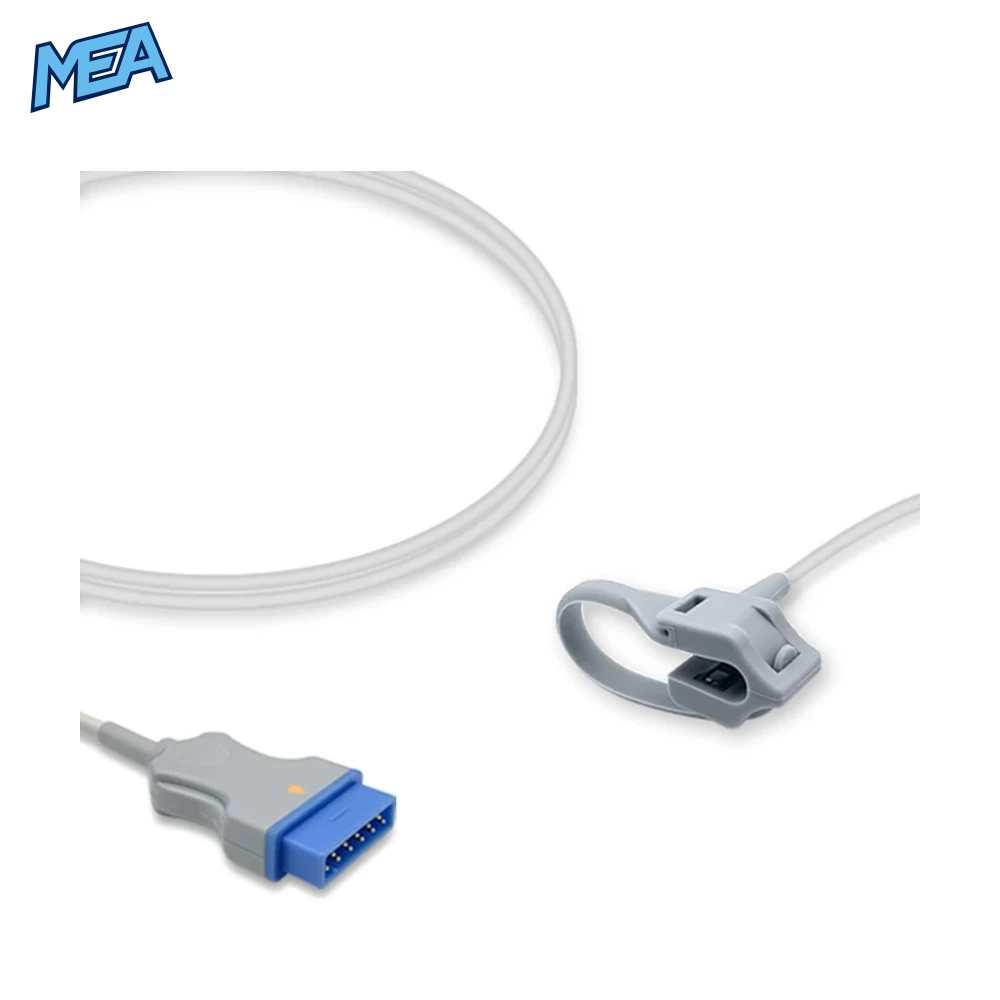


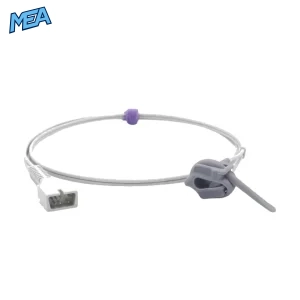
The GE TruSignal Neonate Wrap SpO2 Sensor 3.0m is a reusable pulse oximetry sensor with a soft wrap-style probe, built to GE TruSignal technology specifications for continuous oxygen saturation (SpO2) and pulse rate monitoring of neonatal patients on Datex Ohmeda / GE Healthcare monitoring systems.
It features a long 3.0 m (9.8 ft) cable, a flexible wrap sensor for the foot or hand of newborns, and a connector built to the GE TruSignal reference.
Key Benefits of the TruSignal Neonate Wrap SpO2 Probe
- Gentle neonatal fit: The flexible wrap design secures around a newborn’s foot or palm without the pressure of a rigid clip.
- Reusable and cost-effective: A durable reusable build lowers cost per patient compared with single-use neonatal SpO2 sensors.
- Long 3.0 m cable: Reaches from incubator or warmer to the monitor, giving clinicians more flexibility at the bedside.
- TruSignal technology: Built to GE TruSignal SpO2 specifications for stable readings on TruSignal-enabled systems.
- Backed by a 12-month warranty and supplied brand new.
Features of the Datex Ohmeda TruSignal Wrap Sensor
- Neonate patient size with wrap-style sensor head
- Reusable lifecycle clean and reuse between patients per facility protocol
- 3.0 m (approx. 9.8 ft) cable length
- GE TruSignal SpO2 technology
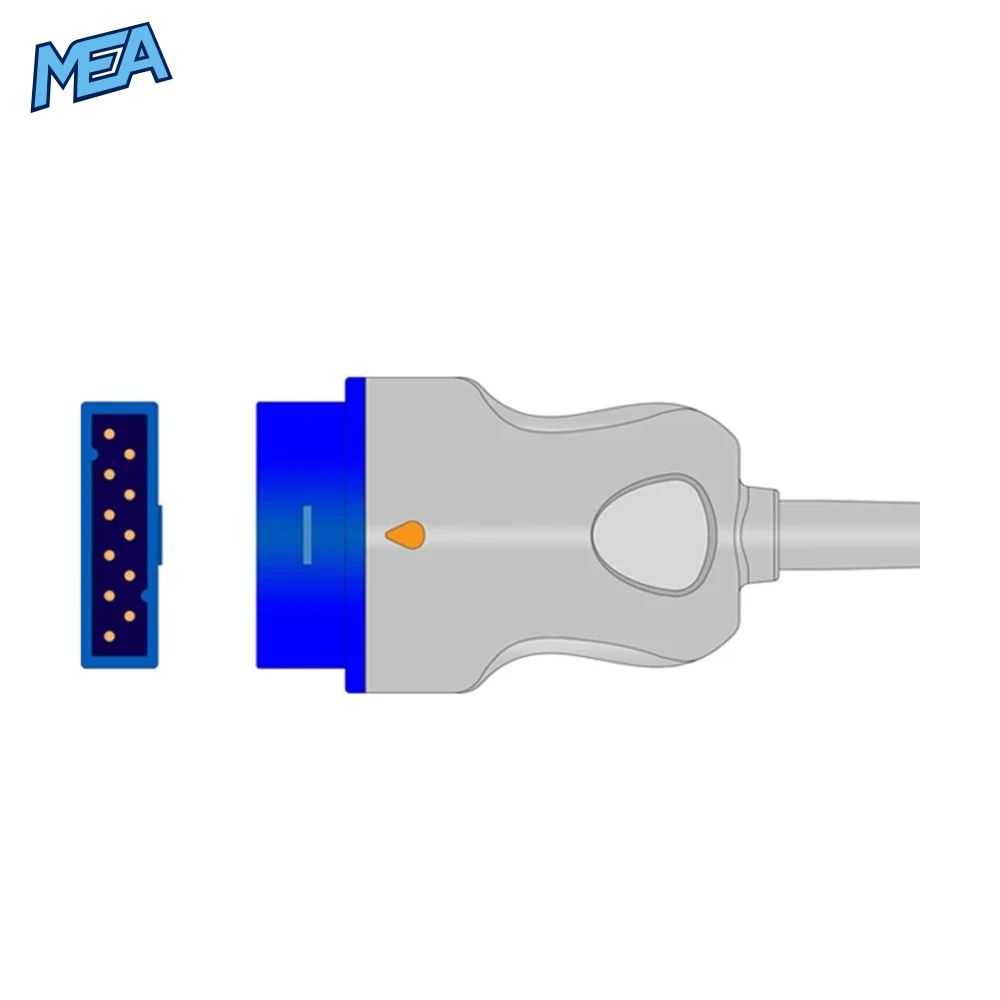
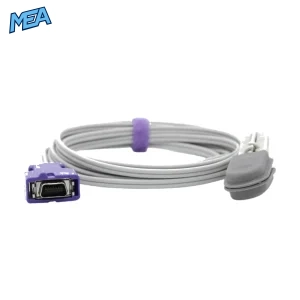
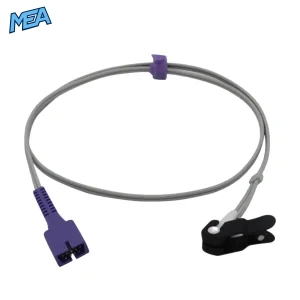
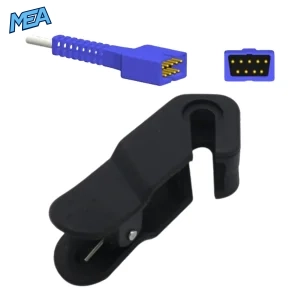
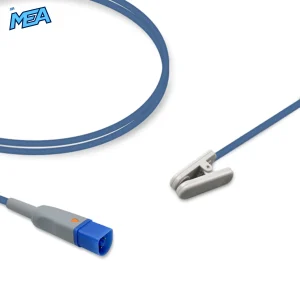
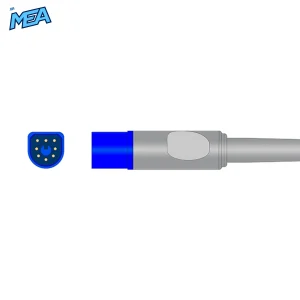
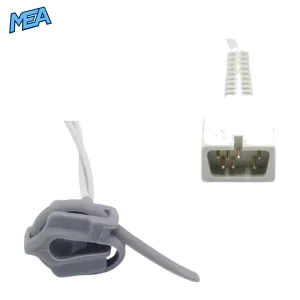
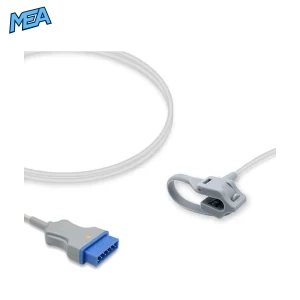
- 11-pin connector built to the GE TruSignal reference (see connector diagram in gallery)
GE TruSignal Neonate Wrap SpO2 Sensor Specifications
| Specification | Detail |
|---|---|
| Product | Neonate Wrap SpO2 Sensor |
| OEM Brand Reference | GE Healthcare / Datex Ohmeda |
| SpO2 Technology | GE TruSignal |
| Patient Size | Neonate |
| Sensor Type | Wrap |
| Connector | 11-pin (GE TruSignal) |
| Cable Length | 3.0 m (9.8 ft) |
| Lifecycle | Reusable |
| Condition | New |
| Unit | 1 piece per bag |
| Warranty | 12 Months |
Cross-Reference Part Numbers
| Brand | Reference Number |
|---|---|
| Unimed | U310-121 |
Which Monitors Does This TruSignal Wrap Sensor Work With?
This neonatal SpO2 sensor is designed to work with GE Healthcare and Datex Ohmeda patient monitors, modules and oximeters that use GE TruSignal SpO2 technology.
Before ordering, please confirm that your monitor or SpO2 module accepts TruSignal sensors and matches the connector shown in the gallery diagram. If you are unsure, contact our team with your monitor model and we will help verify fit.
Clinical Use Cases
- Neonatal Intensive Care Units (NICU) and special care nurseries
- Labour and delivery / newborn assessment
- Neonatal transport and step-down units
- Paediatric wards with neonatal patients
- Biomedical engineering departments stocking spare SpO2 sensors
Care and Maintenance
- Wipe the sensor and cable with a soft cloth dampened with 70% isopropyl alcohol or a mild hospital-grade disinfectant between patients.
- Do not immerse, autoclave or steam-sterilise the sensor.
- Inspect the wrap, cable and connector before each use; discontinue use if damaged.
- Reposition the wrap site regularly per clinical protocol to protect delicate neonatal skin.
Frequently Asked Questions
What is a GE TruSignal neonate wrap SpO2 sensor?
It is a reusable pulse oximetry probe with a flexible wrap that fastens around a newborn’s foot or hand, built to GE TruSignal specifications to measure SpO2 and pulse rate on TruSignal-enabled GE / Datex Ohmeda monitors.
How long is the cable?
The cable is 3.0 m (approximately 9.8 ft) long, suitable for incubator and warmer setups.
Is this sensor reusable or disposable?
It is reusable. Clean and disinfect it between patients following your facility’s infection-control protocol.
Is this the same as the Datex Ohmeda OXY-W4-N neonate wrap sensor?
No. The OXY-W4-N uses standard Datex Ohmeda OxyTip technology and a different connector. This sensor is built for GE TruSignal technology, so choose the one that matches your monitor.
What is the cross-reference part number?
This sensor cross-references to Unimed U310-121.
Is the sensor new, and does it include a warranty?
Yes. It is supplied brand new with a 12-month warranty.
Reviews
There are no reviews yet.