

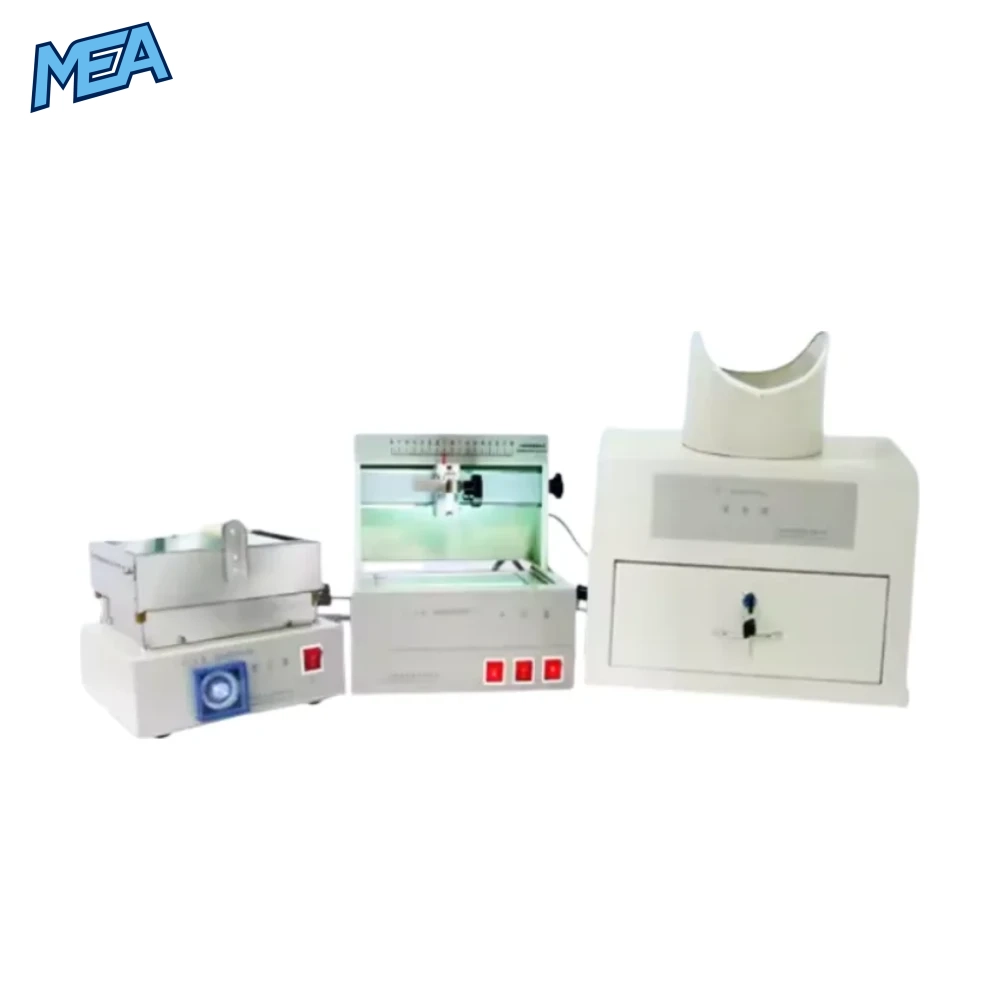
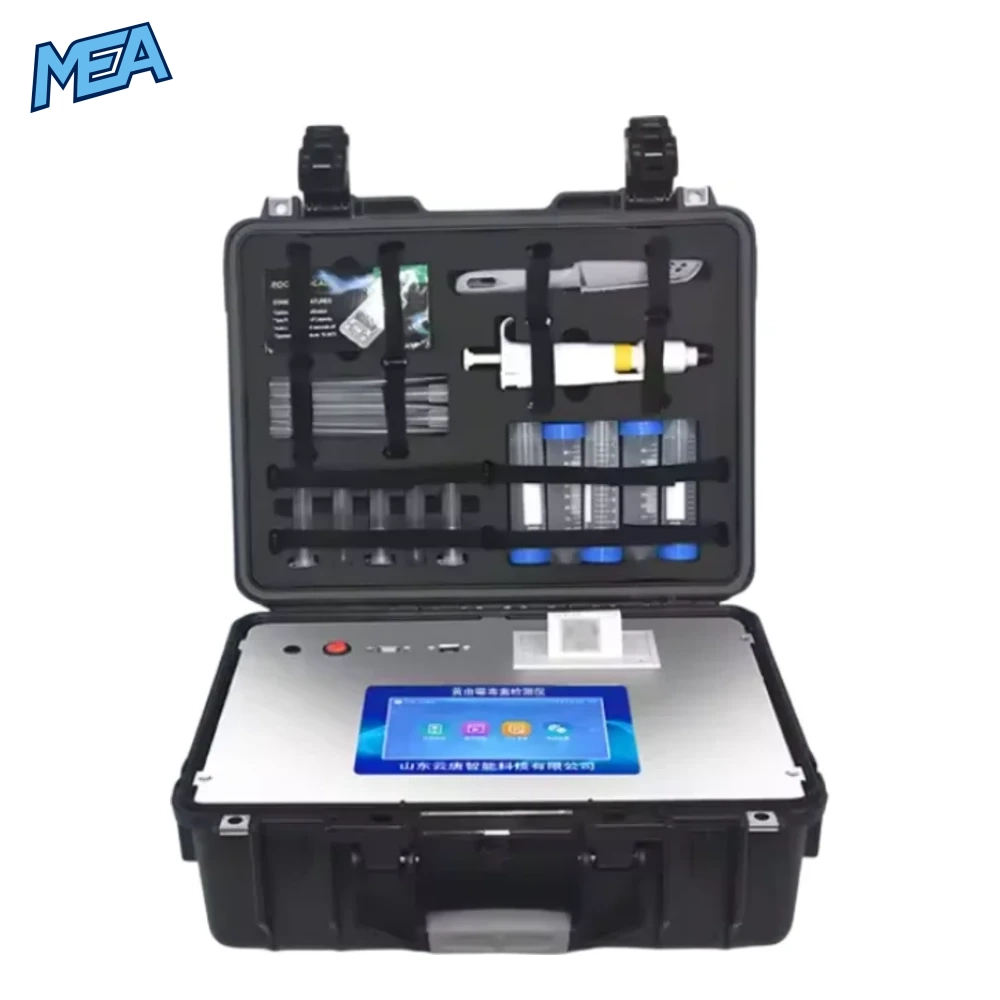
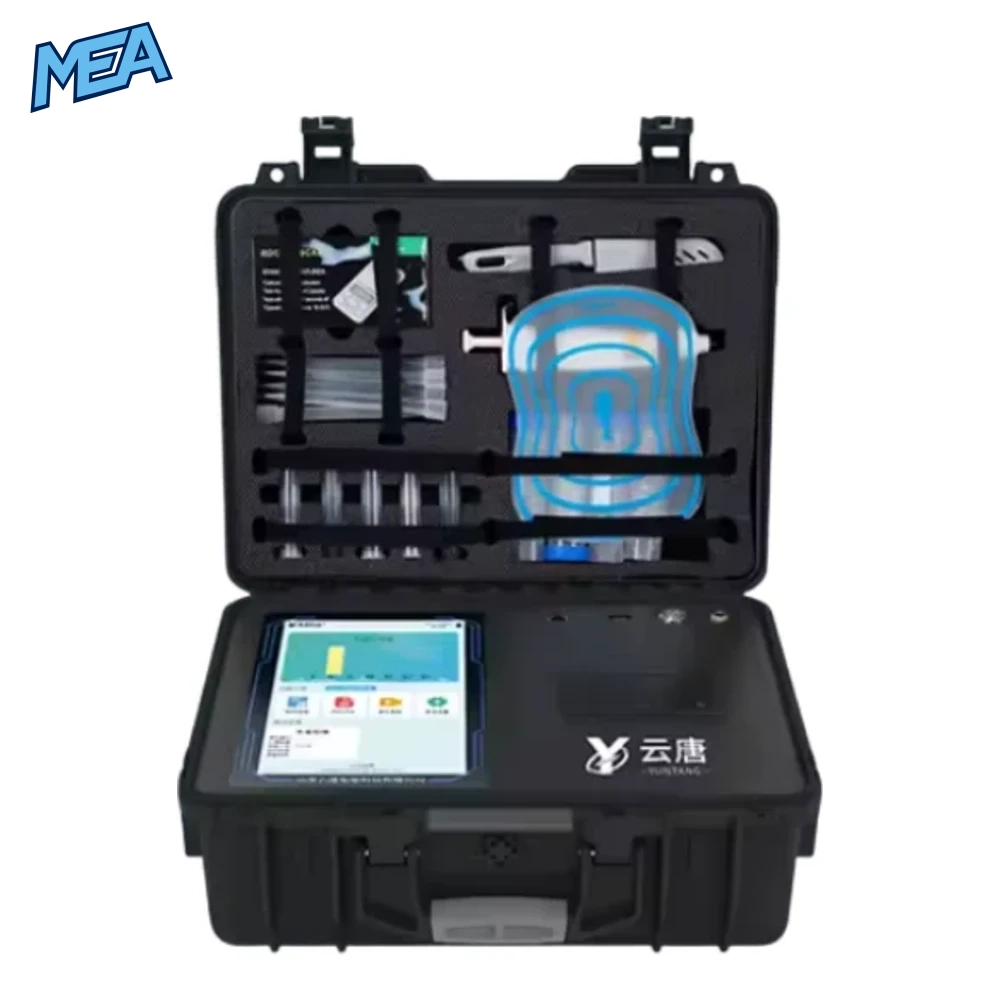
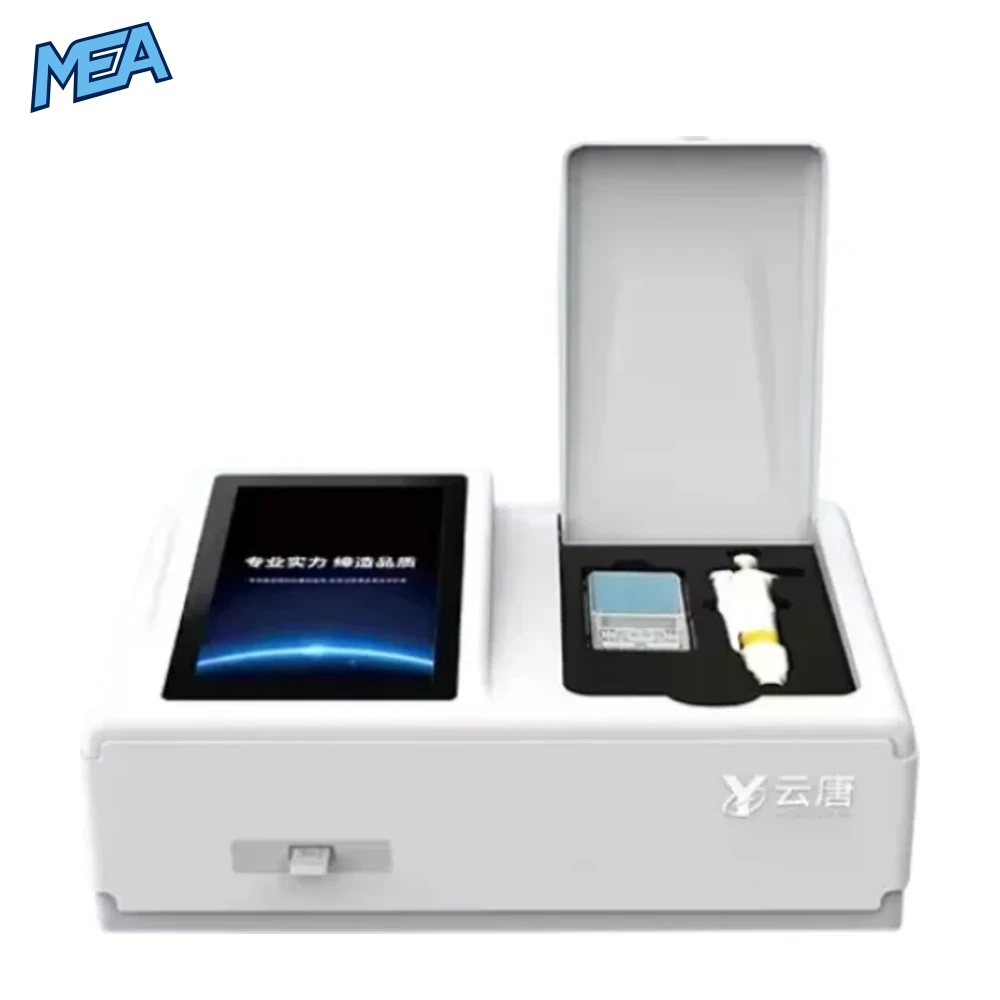
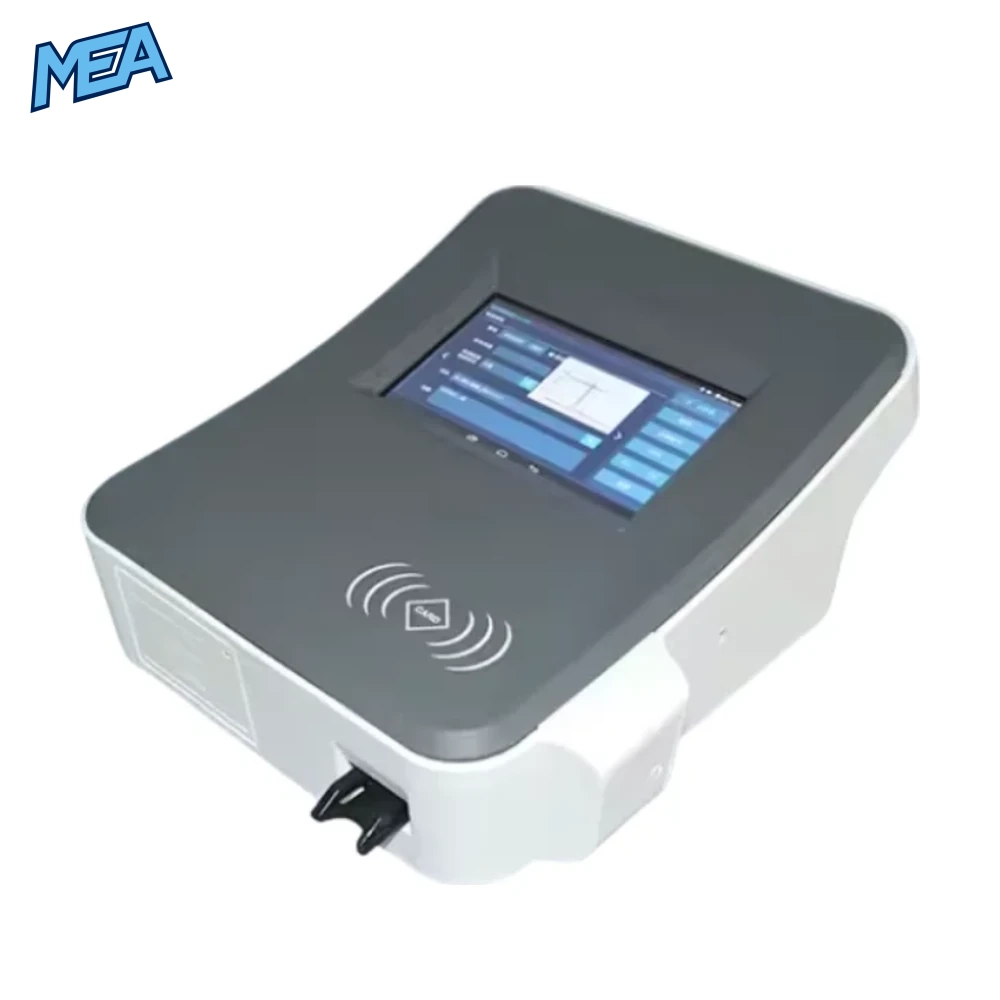
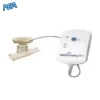


An aflatoxin mycotoxin detector is a portable or benchtop food-safety instrument that quantifies aflatoxin B1, aflatoxin M1, vomitoxin (DON), ochratoxin, fumonisin, zearalenone, and T-2 toxin in grain, edible oil, feed, and condiment samples using colloidal gold immunoassay technology. The YUNTANG series pairs a 10.1-inch Android touchscreen with an automated colloidal-gold scanning module, supporting on-site screening and quantitative result review for grain depots, feed mills and quality-control environments, subject to the test method, consumables and applicable quality procedures.
Why Buyers Choose This Aflatoxin Mycotoxin Detector
- Faster decisions at intake quantitative results in minutes instead of days, so contaminated grain or feed batches can be rejected before storage or processing.
- Multi-toxin, multi-commodity coverage one instrument screens aflatoxin B1/M1, DON (vomitoxin), zearalenone, T-2 toxin, ochratoxin, and fumonisin across grain, cereal, edible oil, and condiments.
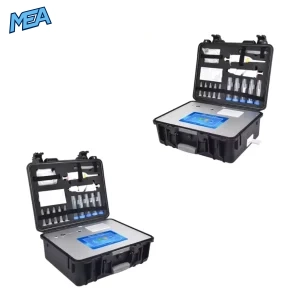
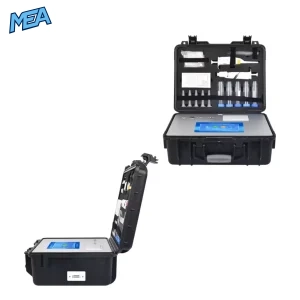
- Built for the field or the lab available as a rugged portable case unit or a desktop flagship unit, so operations teams and lab teams can both standardise on the same detection method.
- Reporting and connectivity generates printouts and can upload results via Wi-Fi where the configured software/platform supports that workflow.
Core Features
Touchscreen, Processor & Power
- 10.1-inch HD LCD touchscreen running Android
- ARM Cortex-A7 RK3288 quad-core processor for fast sample processing and data handling
- Dual AC/DC power supply with a 6AH rechargeable lithium battery for field use without mains power
- Host unit weight: 5.1 kg
Colloidal Gold Detection Module
- Automatic track-transmission scanning: the test card is read and ejected automatically once detection completes, with no manual adjustment needed
- Supports both colorimetric and quantitative (T-value/C-value) detection modes
- Multi-category sample library preloaded for rapid method selection across different toxins and commodities
Data, Storage & Connectivity
- Stores 200,000+ test records on-device
- USB and network cable interfaces for data transfer and remote access
- Wi-Fi upload to a food-safety supervision platform for regional monitoring, data statistics, and large-scale analysis
- Device-lock login (username/password) to control access and protect test data integrity
- Remote upgrade support keeps firmware and detection libraries current
Printing & Reporting
- Integrated thermal printer generates supported report and ticket-style printouts
- Customisable printing templates to match internal QA or regulatory reporting formats
What This Detector Tests For
- Aflatoxin B1 the most toxic and tightly regulated aflatoxin in grain and feed
- Aflatoxin M1 relevant for dairy and milk-adjacent supply chains
- Vomitoxin / DON (deoxynivalenol) common in wheat, barley, and corn
- Zearalenone
- T-2 toxin
- Ochratoxin
- Fumonisin
Commodities and Samples Supported
- Grain: corn, wheat, rice, barley, paddy, brown rice, sorghum
- Feed and feed ingredients: soybean meal, bran, rice bran, compound feed
- Edible oil
- Condiments and seasonings
- Cereal and other grain by-products
Technical Specifications
| Specification | Detail |
| Display | 10.1″ LCD touchscreen (Android OS) |
| Processor | ARM Cortex-A7 RK3288, quad-core |
| Detection method | Colloidal gold immunoassay, automatic scanning |
| Power supply | AC/DC dual mode |
| Battery | 6AH rechargeable lithium battery (portable models) |
| Host weight | 5.1 kg |
| Data storage | 200,000+ records |
| Connectivity | Wi-Fi, USB, network cable (Ethernet) |
| Printing | Built-in printer; A4 report and ticket-style output |
| Security | Device-lock login with username/password |
| Detected mycotoxins | Aflatoxin B1, Aflatoxin M1, DON/vomitoxin, zearalenone, T-2 toxin, ochratoxin, fumonisin |
| Sample types | Grain, feed, edible oil, condiments, soybean, cereal |
| Available formats | Portable case unit, desktop (benchtop) unit |
Use Cases
- Grain depots and warehouses incoming-lot screening before storage to prevent contaminated grain from entering silos
- Feed mills routine batch testing of raw materials and finished feed for vomitoxin, aflatoxin, and other regulated mycotoxins
- Food and drug regulatory bureaus field-deployable quantitative testing that uploads directly to a supervision platform
- Food processing plants in-line quality control for grain- and oil-based ingredients
- Research institutes and universities method development and comparative mycotoxin studies
- Quarantine and inspection departments port and border sample screening
For a more compact rapid-screening option, see the Portable Aflatoxin & Mycotoxin Rapid Tester for Grain and Feed.
What does an aflatoxin mycotoxin detector measure?
It measures the concentration of mycotoxins most commonly aflatoxin B1, aflatoxin M1, vomitoxin (DON), zearalenone, T-2 toxin, ochratoxin, and fumonisin in grain, feed, edible oil, and condiment samples using a colloidal gold immunoassay method.
How long does a single test take?
Colloidal gold immunoassay testing on this detector produces quantitative results within minutes per sample, since the scanning and calculation are automated once the test card is inserted.
Can this device test both grain and feed samples?
Yes. The instrument’s multi-category sample library covers grain (corn, wheat, rice, barley), feed and feed ingredients (soybean meal, bran), edible oil, and condiments.
Does the detector store or transmit test results?
Yes. It stores over 200,000 records on-device and can upload results via Wi-Fi to a food-safety supervision platform for regional monitoring and data analysis, in addition to USB and network cable connectivity.
What is the difference between the portable and desktop (flagship) versions?
The portable version is housed in a rugged carrying case for field or on-site testing, while the desktop (benchtop) version is designed for fixed installation in a lab or quality-control room. Both run the same Android-based detection and reporting system.
Does it print test reports automatically?
Yes. A built-in printer generates either full A4-format reports or compact ticket-style printouts, useful for both regulatory documentation and quick on-site records.
What mycotoxin detection method does this device use?
It uses colloidal gold immunochromatographic assay technology with automatic track scanning, which reads the test card and produces a quantitative result without manual interpretation.
Is this suitable for regulatory or government testing programs?
Yes. The device supports data upload to a food-safety supervision platform, device-lock login for data integrity, and standardised A4 reporting, which are commonly required for regulatory and quarantine testing workflows.
Reviews
There are no reviews yet.