

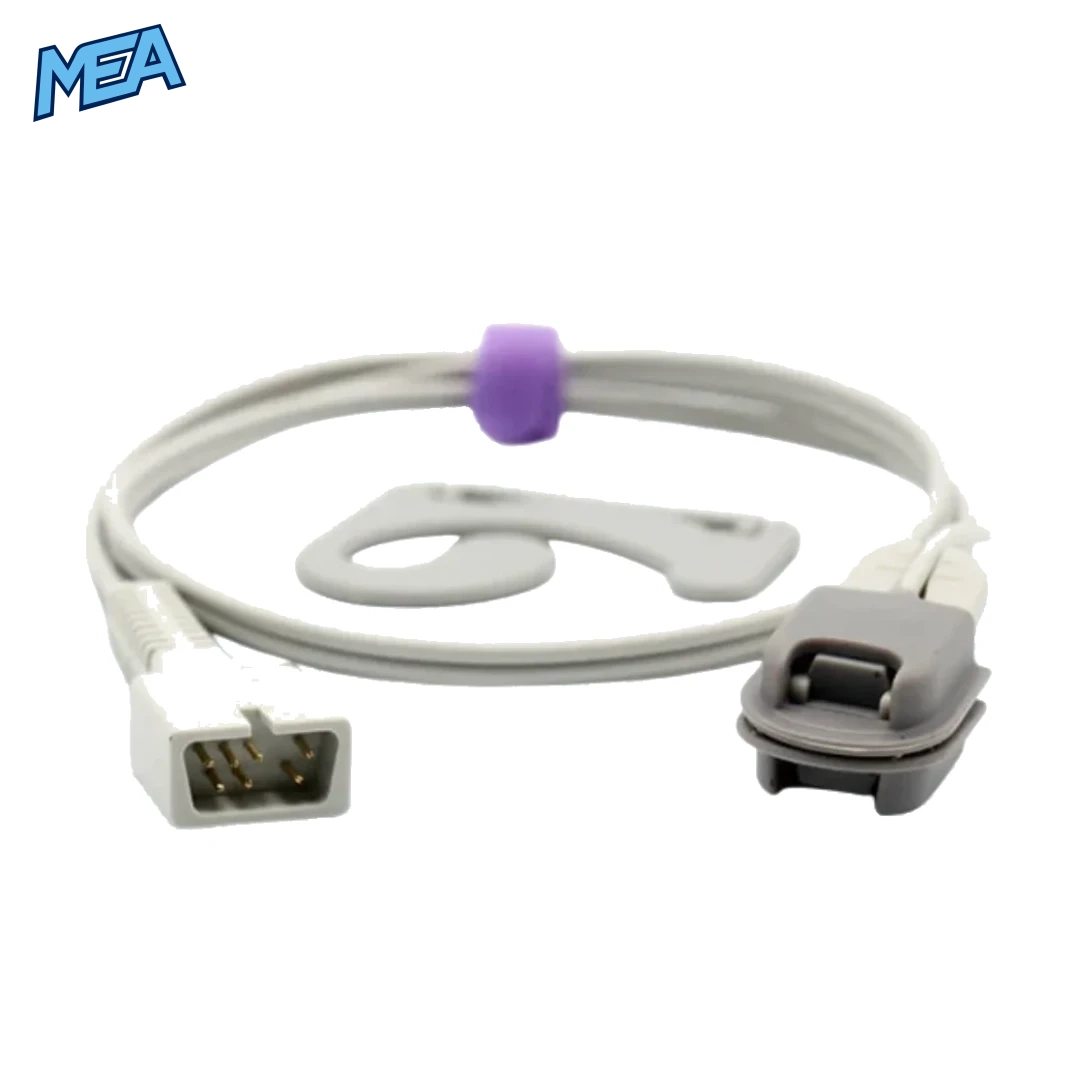
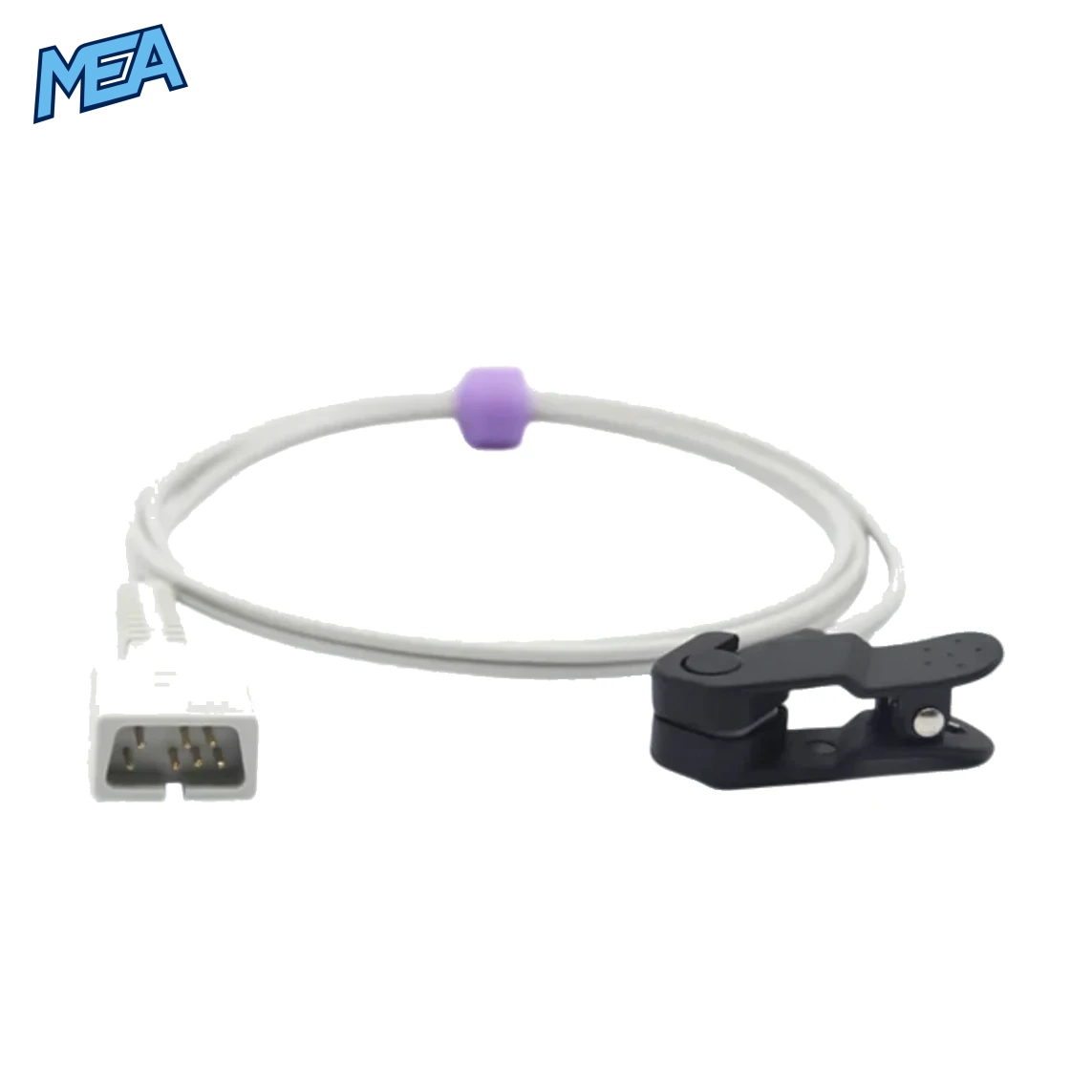
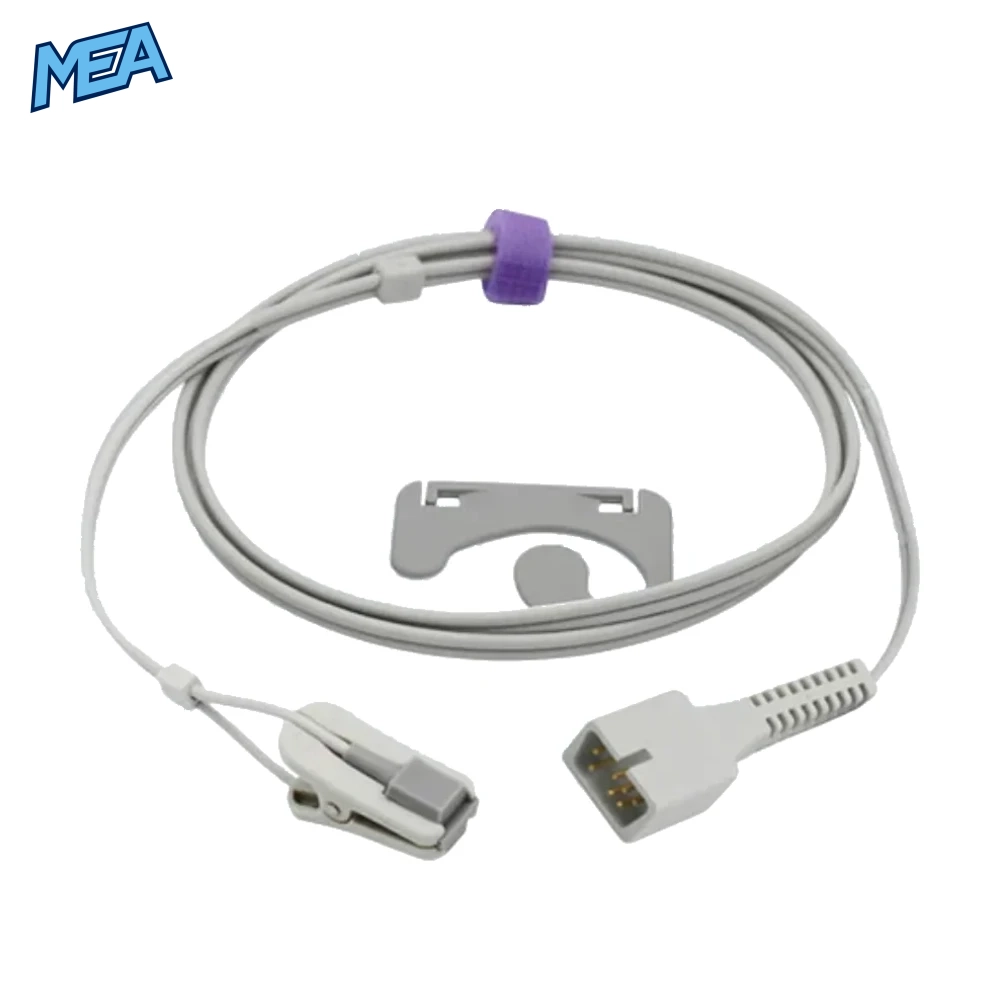
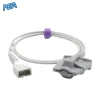


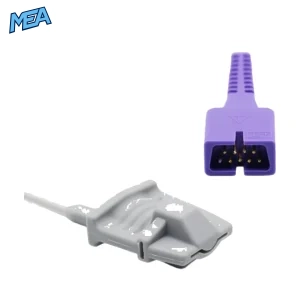
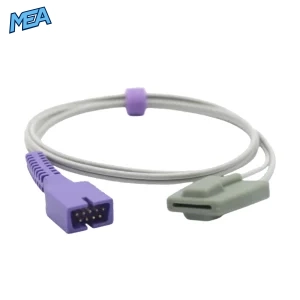
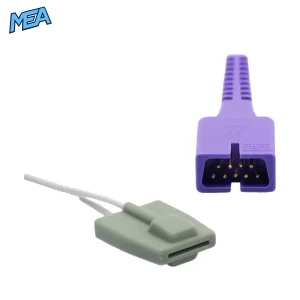
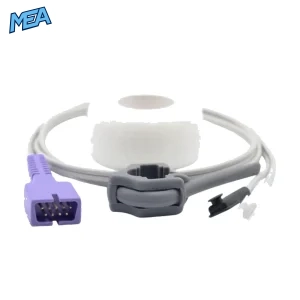
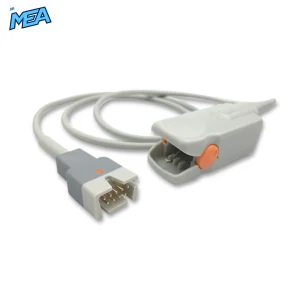
Nellcor Ear Clip SpO2 Sensor is a peripheral oxygen saturation (SpO2) measurement device that clips gently onto the patient’s earlobe. Unlike fingertip pulse oximetry probes, the ear clip sensor is ideal for patients who have restricted peripheral circulation in their fingers, patients with nail polish or acrylic nails, or clinical scenarios where hand movement makes fingertip sensors impractical.
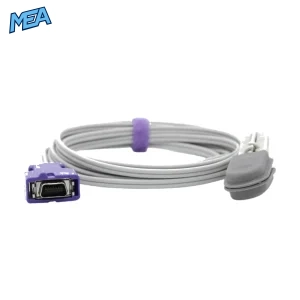
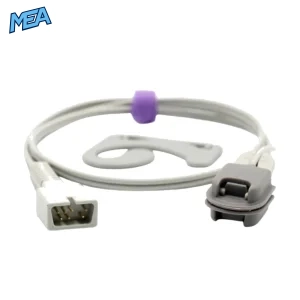
This particular version is a Non-OxiMax sensor, meaning it fits earlier generations of Nellcor patient monitors that do not use the OxiMax connector platform. It features a 3.2-foot (approximately 1 metre) cable length and a 7-pin connector, making it perfectly suited for bedside monitoring setups where the patient and the monitor are in close proximity.
The sensor uses dual-wavelength optical technology — transmitting red and infrared light through the earlobe tissue and measuring the differential absorption by oxygenated versus deoxygenated hemoglobin — to calculate SpO2 values with clinical accuracy.
Key Features of the Nellcor Ear Clip SpO2 Sensor Non-OxiMax 3.2 ft 7 Pins
Precise SpO2 Measurement via Ear Clip Design
The ear clip form factor is one of the most underutilized yet highly effective attachment sites for pulse oximetry. The earlobe is richly vascularized and responds faster to changes in arterial oxygen saturation compared to peripheral sites like the finger or toe. This makes the Nellcor ear clip SpO2 probe particularly valuable in scenarios where rapid oxygen desaturation detection is critical, such as during procedural sedation, mechanical ventilation management, or respiratory therapy.
Non-OxiMax Fitment — Built for Legacy Nellcor NPB Systems
Unlike newer OxiMax sensors that require OxiMax-enabled monitors, this non-OxiMax ear clip oxygen saturation sensor is specifically engineered for older but still widely used Nellcor NPB-series patient monitors. Healthcare facilities that operate NPB 40, NPB 20, NPB 75, NPB 180, NPB 185, NPB-190, NPB-195, NPB 3900, or NPB 4000 monitors can continue delivering accurate SpO2 monitoring without costly equipment upgrades.
3.2 ft (1 Metre) Cable — Practical Bedside Reach
The 3.2-foot cable length strikes the ideal balance between patient comfort and cable management. It provides enough reach for the patient to shift position slightly without dislodging the sensor while keeping the cable neat and tangle-free. The cable is constructed with flexible, kink-resistant materials that withstand the rigors of daily clinical use, repeated coiling, and regular sanitation procedures.
7-Pin Connector — Secure and Reliable Signal Transmission
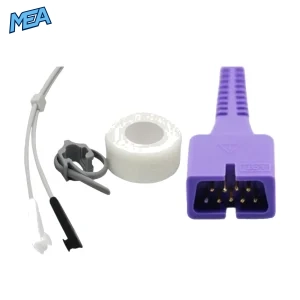
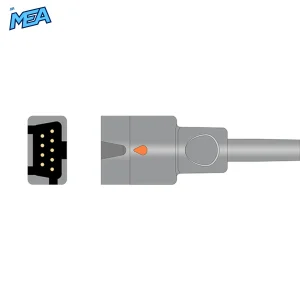
The 7-pin connector on this Nellcor SpO2 ear clip sensor ensures a secure, low-impedance connection to supported monitors. The robust pin design minimises signal interference and connectivity drops that can lead to false alarms or erroneous readings. The connector is designed for smooth insertion and secure locking, preventing accidental disconnection during monitoring.
Lightweight and Patient-Friendly Clip Design
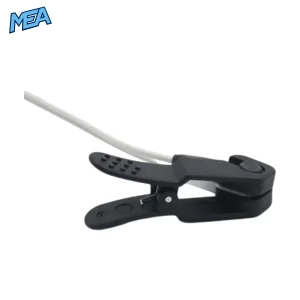
The ear clip mechanism applies gentle, consistent pressure to the earlobe — enough to maintain stable optical alignment of the LED and photodetector, but comfortable enough for extended monitoring periods. The lightweight construction means patients are barely aware of the sensor during prolonged monitoring sessions, reducing the risk of sensor removal due to discomfort.
Durable and Reusable Construction
This reusable Nellcor ear clip SpO2 sensor is built for repeated clinical use. High-quality optical components, reinforced cable junctions, and robust connector housing contribute to a long service life when properly maintained. The sensor can be cleaned and disinfected between patients according to standard infection control protocols.
Fits These Nellcor Ear Clip SpO2 Sensor
The Nellcor Ear Clip SpO2 Sensor Non-OxiMax 3.2 ft 7 Pins Connector is confirmed fits the following Nellcor patient monitors:
| Monitor Model | Monitor Type |
| Nellcor NPB 20 | Portable Pulse Oximeter |
| Nellcor NPB 40 | Portable Pulse Oximeter |
| Nellcor NPB 75 | Portable Patient Monitor |
| Nellcor NPB 180 | Vital Signs Monitor |
| Nellcor NPB 185 | Vital Signs Monitor |
| Nellcor NPB-190 | Patient Monitor |
| Nellcor NPB-195 | Patient Monitor |
| Nellcor NPB 3900 | Transport Monitor |
| Nellcor NPB 4000 | Multiparameter Monitor |
If you are uncertain whether this non-OxiMax SpO2 ear sensor fits your specific Nellcor monitor variant or firmware version, verify the connector type (7-pin) and the OxiMax vs. non-OxiMax specification on your monitor’s data sheet before purchasing.
Technical Specifications Of Nellcor Ear Clip SpO2 Sensor
| Specification | Details |
| Sensor Type | Ear Clip (Earlobe) |
| Measurement Parameter | SpO2 (Peripheral Oxygen Saturation) & Pulse Rate |
| Connector Type | 7-Pin Non-OxiMax |
| Cable Length | 3.2 ft (~1 metre) |
| Sensor Technology | Dual-wavelength (Red + Infrared) optical |
| Reusability | Reusable |
| OxiMax-type | No (Non-OxiMax) |
| Application | Adult, Pediatric (earlobe application) |
| Monitoring Environment | Hospital, Clinic, Transport, Home Care |
Clinical Applications of the Nellcor Ear Clip SpO2 Probe
The versatility of an ear clip oxygen saturation sensor makes it appropriate across a broad range of clinical and care settings:
Intensive Care Units (ICU): Continuous SpO2 monitoring of intubated or sedated patients where finger movement or poor peripheral circulation may compromise fingertip sensor readings.
Post-Anesthesia Care Units (PACU): Rapid recovery monitoring after surgical procedures, where quick detection of oxygen desaturation is critical during anesthesia wear-off.
Emergency Departments: Fast attachment and reliable readings during triage and stabilisation of patients presenting with respiratory distress, cardiac events, or trauma.
Respiratory Therapy: Monitoring SpO2 during bronchodilator treatments, oxygen therapy titration, and pulmonary rehabilitation sessions.
Sleep Studies: Some sleep monitoring protocols use earlobe sensors for their speed of response to oxygen desaturation events during obstructive apnea episodes.
Transport and Ambulatory Monitoring: The compact ear clip design is practical during patient transport via gurney, wheelchair, or ambulance, where a fingertip probe may slip off.
Home Healthcare: Patients on home oxygen therapy or those with chronic respiratory conditions such as COPD or heart failure can benefit from ear clip monitoring as an alternative when fingertip readings are inconsistent.
Why Choose a Non-OxiMax Nellcor SpO2 Ear Clip Sensor?
Healthcare facilities managing large inventories of NPB-series Nellcor monitors frequently face the challenge of sourcing supported replacement sensors as OxiMax technology becomes the dominant standard. The Nellcor Non-OxiMax ear clip pulse oximetry sensor solves this problem directly.
Rather than prematurely retiring functional NPB monitors, clinics and hospitals can extend the operational lifespan of their existing equipment with supported, high-quality replacement SpO2 sensors. This approach delivers significant cost savings while maintaining the monitoring accuracy and clinical reliability their clinical staff expects from the Nellcor brand.
Additionally, because the ear clip attachment site is less susceptible to motion artifact and peripheral vasoconstriction compared to finger sensors, this sensor often provides more stable waveforms and fewer nuisance alarms — contributing to a quieter, calmer clinical environment without compromising patient safety.
Maintenance and Care Guidelines for the Nellcor Ear Clip SpO2 Sensor
To maximise the service life of your Nellcor ear clip oxygen sensor, follow these maintenance best practices:
- Cleaning: Wipe the sensor housing and clip with a lint-free cloth dampened with 70% isopropyl alcohol or an approved hospital-grade disinfectant. Avoid immersing the sensor or allowing liquid to enter the connector.
- Inspection: Before each use, inspect the cable for visible cuts, kinks, or exposed wiring. Check the clip mechanism for proper spring tension and optical window clarity.
- Storage: Store the sensor coiled loosely — never tightly wrapped — to prevent cable stress at the junction points. Keep in a dry, temperature-stable environment away from direct sunlight.
- Connector Care: Avoid bending or applying lateral stress to the 7-pin connector during insertion and removal. Always grip the connector body, not the cable, when disconnecting from the monitor.
- Optical Window Cleaning: If the LED or detector window becomes soiled, gently clean with a cotton swab lightly moistened with isopropyl alcohol and allow to dry fully before use.
Infection Control Considerations
When using any reusable SpO2 sensor in a multi-patient environment, infection control is paramount. This reusable Nellcor ear clip sensor should be cleaned and disinfected between patients according to your facility’s standard infection prevention protocols and the sensor manufacturer’s guidelines. For settings with high patient turnover or immunocompromised patient populations, consider using disposable earlobe sensor alternatives or applying a single-use probe cover if available.
Frequently Asked Questions
What does “Non-OxiMax” mean on a Nellcor SpO2 sensor?
Nellcor has developed two generations of SpO2 sensor technology. The newer generation, introduced in the early 2000s, is called OxiMax and uses a smart sensor chip embedded in the connector that communicates calibration and performance data to supported OxiMax monitors. “Non-OxiMax” sensors, like this ear clip model, do not contain this chip. They are designed to work with older Nellcor patient monitors (such as the NPB series) that predate the OxiMax platform. If your monitor is an NPB 20, NPB 40, NPB 75, NPB 180, NPB 185, NPB-190, NPB-195, NPB 3900, or NPB 4000, this non-OxiMax sensor is the correct choice.
Is the Nellcor Ear Clip SpO2 Sensor Non-OxiMax fits my NPB 185 monitor?
Yes. The Nellcor Ear Clip SpO2 Sensor Non-OxiMax 3.2 ft 7 Pins Connector is explicitly fits the Nellcor NPB 185 patient monitor, along with NPB 20, NPB 40, NPB 75, NPB 180, NPB-190, NPB-195, NPB 3900, and NPB 4000 monitors. Always confirm the 7-pin non-OxiMax connector specification matches your monitor’s SpO2 input port before use.
Can I use this ear clip SpO2 sensor on pediatric patients?
Ear clip SpO2 sensors are primarily designed for adult patients with sufficient earlobe size to accommodate the clip mechanism and maintain proper optical alignment. Use on pediatric patients depends on earlobe development. For neonatal or infant patients, specialised neonatal wrap sensors or adhesive sensors designed for small extremities are recommended. Always consult your clinical protocols and sensor manufacturer guidelines regarding age and weight-appropriate sensor selection.
How does an ear clip pulse oximetry sensor differ from a fingertip sensor?
Both sensor types measure SpO2 using the same dual-wavelength optical photoplethysmography (PPG) principle, but they differ in placement and clinical advantage. Fingertip sensors are the most common and practical for routine spot checks. Ear clip sensors offer several advantages in specific situations: the earlobe responds faster to arterial oxygen changes than peripheral finger sites; ear clips are less affected by peripheral vasoconstriction caused by cold, hypotension, or vasopressor medications; and ear clips remain stable during patient movement, reducing motion artifact. For patients with poor peripheral perfusion or nail-related issues, the Nellcor ear clip oxygen saturation sensor is often the preferred alternative.
How long is the cable on this Nellcor SpO2 ear clip sensor?
This sensor features a 3.2-foot (approximately 1 metre) cable. This length is designed for close-proximity bedside monitoring where the patient and the Nellcor NPB monitor are within arm’s reach. If a longer reach is required, check with your monitor manufacturer or supplier about SpO2 extension cables fits 7-pin non-OxiMax connectors.
Is this Nellcor ear clip SpO2 sensor reusable or disposable?
This is a reusable SpO2 ear clip sensor. It is designed and constructed to withstand multiple uses and repeated cleaning with standard hospital-grade disinfectants. Proper maintenance — including inspection before each use and appropriate disinfection between patients — is essential to maintain accuracy and ensure infection control compliance. For environments requiring single-use consumables per patient, consult your supplier about disposable earlobe sensor alternatives.
What is the 7-pin connector used for, and how does it differ from other SpO2 connectors?
The 7-pin connector is the physical interface between the sensor cable and the Nellcor NPB patient monitor’s SpO2 input port. The pins carry the optical drive signals to the sensor’s LEDs and return the photodetector signal back to the monitor for SpO2 and pulse rate calculation. Different Nellcor monitor generations use different pin counts and connector geometries — the 7-pin non-OxiMax connector is specific to the NPB series monitors listed in this product’s fit chart. Using an incorrect connector type can result in failure to connect, inaccurate readings, or potential damage to monitor ports.
Can this sensor be used during patient transport?
Yes. The ear clip design is well-suited for patient transport monitoring. Unlike fingertip sensors that can slide off during movement, the ear clip securely grips the earlobe and is less likely to be dislodged during gurney movement, ambulance transport, or in-hospital transfers. Ensure the cable is routed safely to avoid snagging. This sensor fits the Nellcor NPB 3900 transport monitor, making it a practical choice for mobile monitoring scenarios.
What should I do if the Nellcor monitor displays a “sensor off” or “check sensor” error with this ear clip probe?
A “sensor off” or “check sensor” error typically indicates one of the following issues: the sensor clip is not properly positioned on the earlobe (ensure the optical windows on both sides of the clip face the earlobe tissue); the connector is not fully seated in the monitor’s SpO2 port (disconnect and firmly reconnect); the optical windows on the sensor are dirty (clean gently with a moistened swab and allow to dry); the cable or connector has suffered physical damage (inspect and replace if damaged); or there is very poor perfusion at the earlobe site (try repositioning or gently massaging the earlobe to improve circulation). If the error persists after these steps, test with a known-good sensor to determine whether the issue lies with the sensor or the monitor.
Reviews
There are no reviews yet.