

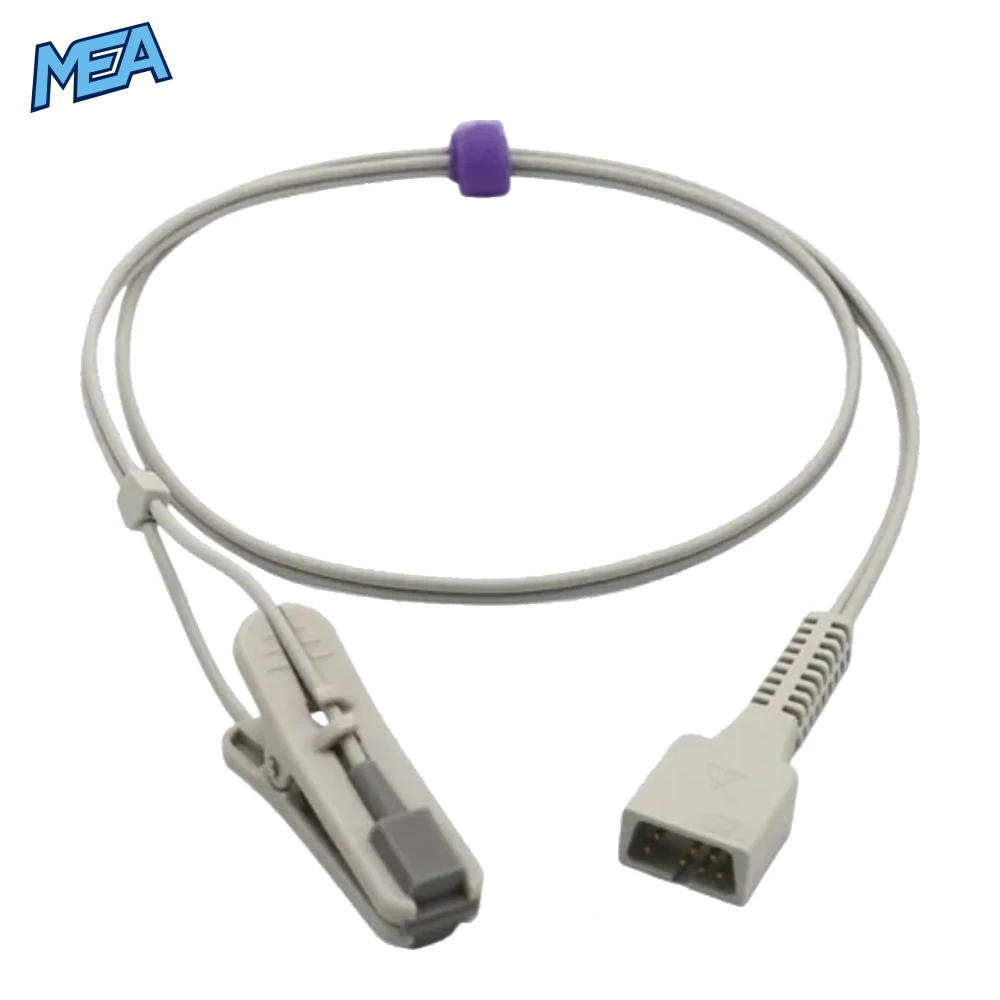


Nellcor Veterinary SpO2 Pulse Oximeter is a specialised sensor system used to measure oxygen saturation levels in the blood of animals. It works by transmitting light through body tissues (such as the tongue or ear) and analysing the absorption patterns of oxygenated and deoxygenated hemoglobin.
Unlike human pulse oximeters, this veterinary version is optimised for animal physiology, ensuring more accurate readings across different species such as:
- Dogs
- Cats
- Horses
- Rabbits
- Small mammals
- Exotic veterinary patients
The sensor is designed for veterinary-critical environments where precision, durability, and reliability are essential.
Key Features of Nellcor Veterinary SpO2 Pulse Oximeter Lingual Sensor
1. High-Precision SpO2 Monitoring
The sensor delivers accurate oxygen saturation readings even in low perfusion conditions, ensuring dependable results during surgery or critical care.
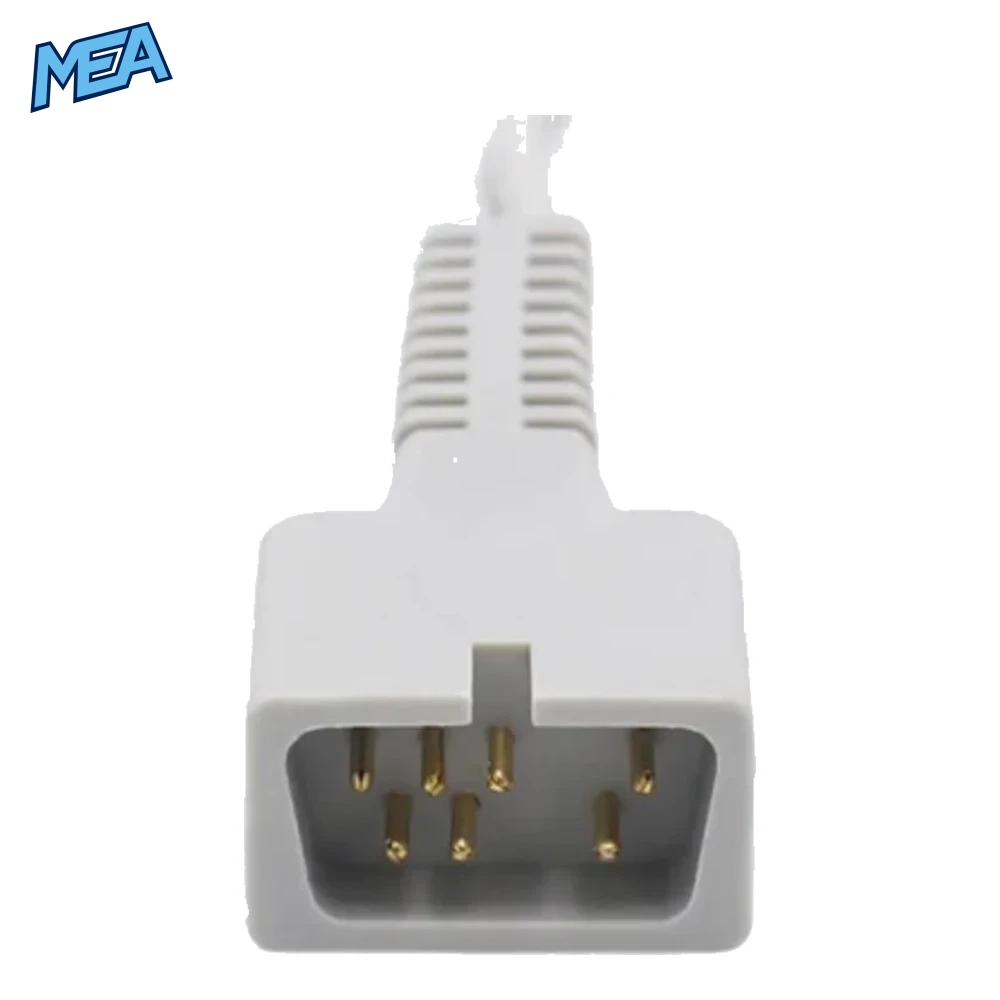
2. 7-Pin Fits These Connector
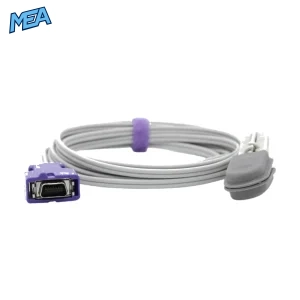
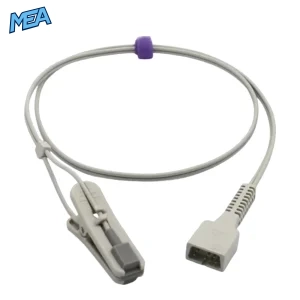
Equipped with a 7-pin connector, this sensor fits various Nellcor-style veterinary monitors, offering plug-and-play usability.
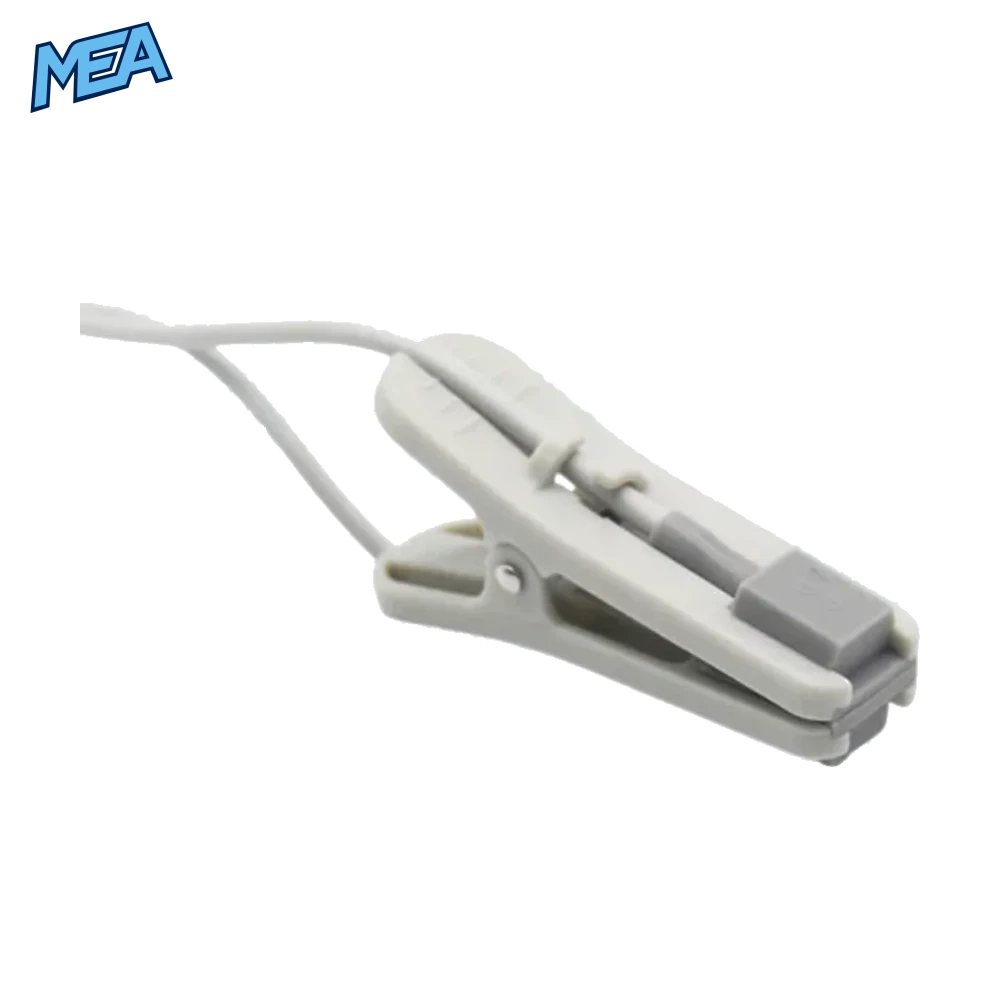
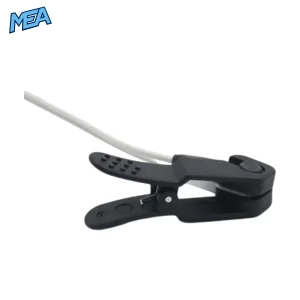
3. Lingual & Ear Sensor Design
Specially designed for placement on the tongue or ear, ensuring stable readings in animals where finger-based monitoring is not possible.
4. 3.2 ft Flexible Cable
The 3.2 ft cable provides sufficient length for comfortable clinical use without restricting animal movement or veterinary handling.
5. Durable Veterinary-Grade Construction
Built with high-quality materials to withstand frequent clinical use, cleaning, and disinfection.
6. Fast Response Time
Provides real-time pulse rate and oxygen saturation updates for immediate clinical decisions.
7. Motion-Resistant Accuracy
Reduces interference caused by minor animal movement during monitoring.
8. Wide Fitment Range
Fits multiple veterinary patient monitors that support Nellcor-style SpO2 sensors.
Why Veterinary SpO2 Monitoring is Important
In veterinary medicine, oxygen monitoring is essential during:
- General anesthesia
- Sedation procedures
- Emergency trauma care
- Intensive care unit (ICU) monitoring
- Post-operative recovery
Animals cannot communicate symptoms like humans, so SpO2 monitoring becomes a critical diagnostic and safety tool.
Without proper oxygen monitoring, conditions like hypoxia (low oxygen levels) may go unnoticed, leading to severe complications or even life-threatening situations.
The Nellcor Veterinary SpO2 Pulse Oximeter Lingual Sensor Ear Tongue VET 3.2 ft 7 Pins Connector ensures that veterinarians can continuously monitor oxygen saturation levels with confidence.
Applications of the Nellcor Veterinary SpO2 Pulse Oximeter
This veterinary SpO2 sensor is widely used in:
1. Veterinary Clinics
For routine monitoring during checkups and minor procedures.
2. Animal Hospitals
Used in surgeries, ICU wards, and emergency departments.
3. Surgical Procedures
Critical for monitoring anesthesia depth and oxygenation levels.
4. Emergency Veterinary Care
Helps detect hypoxia quickly in trauma cases.
5. Research and Veterinary Training
Used in academic and veterinary research institutions.
6. Exotic Animal Care
Suitable for birds, reptiles, and small mammals when properly positioned.
How the Nellcor Veterinary SpO2 Pulse Oximeter Works
The sensor operates using optical light technology:
- The sensor emits two wavelengths of light (red and infrared).
- These lights pass through animal tissue (tongue or ear).
- Oxygenated and deoxygenated blood absorb light differently.
- The sensor detects these variations.
- The monitor calculates SpO2 percentage and pulse rate.
This non-invasive method ensures safe and continuous monitoring without causing discomfort to the animal.
Benefits of Using Nellcor Veterinary SpO2 Pulse Oximeter
1. Improved Patient Safety
Continuous monitoring reduces the risk of unnoticed oxygen deficiency.
2. Accurate Real-Time Data
Provides immediate updates for better clinical decision-making.
3. Easy to Use
Simple connection and placement reduce setup time.
4. Veterinary-Specific Design
Unlike human sensors, it is tailored specifically for animal anatomy.
5. Reduces Anesthesia Risks
Helps veterinarians adjust oxygen and anesthesia levels precisely.
6. Cost-Effective Monitoring Solution
Long-lasting design reduces replacement costs.
Fitment and Connector Details
The 7-pin connector ensures fit with a wide range of veterinary monitors that support Nellcor-style SpO2 sensors. It is important to confirm fit with your specific monitor model before purchase.
Common supported systems include:
- Veterinary patient monitors with Nellcor input
- Multi-parameter anesthesia machines
- ICU monitoring systems for animals
Installation and Usage Guide
Step 1: Connect the Sensor
Plug the 7-pin connector into the supported monitor port securely.
Step 2: Select Measurement Site
Choose an appropriate site such as:
- Tongue (lingual site)
- Ear flap
- Prepuce or non-pigmented skin (in some animals)
Step 3: Attach the Sensor
Ensure the sensor is properly aligned for stable reading.
Step 4: Start Monitoring
Turn on the monitor and observe SpO2 and pulse rate values.
Step 5: Adjust if Needed
Reposition if signal strength is weak or unstable.
Why Choose Nellcor Veterinary SpO2 Pulse Oximeter Lingual Sensor?
There are many veterinary sensors available, but this model stands out due to:
- High fit with Nellcor systems
- Veterinary-specific calibration
- Reliable signal quality in low perfusion cases
- Durable construction for clinical environments
- Comfortable and safe animal application
It is trusted by veterinary professionals who require dependable monitoring in critical situations.
Technical Specifications
| Specification | Details |
| Product Type | Veterinary SpO2 Sensor |
| Fitment | Nellcor-supported veterinary monitors |
| Connector Type | 7-pin |
| Cable Length | 3.2 ft |
| Application | Lingual / Ear / Tissue monitoring |
| Measurement | SpO2 and Pulse Rate |
| Usage | Veterinary clinical and surgical monitoring |
| Material | Medical-grade, durable components |
Who Should Use This Product?
This product is ideal for:
- Veterinarians
- Animal surgeons
- Veterinary technicians
- Animal hospitals
- Emergency animal care units
- Veterinary research labs
Frequently Asked Questions
What animals can be monitored with this SpO2 sensor?
It can be used on dogs, cats, horses, rabbits, and many small or exotic animals depending on placement.
Does this fit all veterinary monitors?
It fits monitors that support Nellcor-style 7-pin SpO2 sensors. Always confirm fit before use.
Where should the sensor be placed on animals?
Common sites include the tongue (lingual), ear flap, or other well-perfused non-pigmented areas.
Can it be used during surgery?
Yes, it is widely used during anesthesia and surgical procedures for continuous monitoring.
Does movement affect readings?
Minor movement resistance is built-in, but excessive movement may affect accuracy.
How long is the cable?
The cable length is 3.2 feet, providing flexibility in clinical setups.
Is it reusable?
Yes, it is a reusable veterinary-grade sensor designed for repeated clinical use with proper cleaning.
How do I clean the sensor?
Use approved veterinary disinfectants and avoid harsh chemicals or excessive moisture exposure.
What does the 7-pin connector do?
It ensures secure and stable connection with supported veterinary monitoring devices.
Can it measure pulse rate too?
Yes, it provides both oxygen saturation (SpO2) and pulse rate readings.
Reviews
There are no reviews yet.