

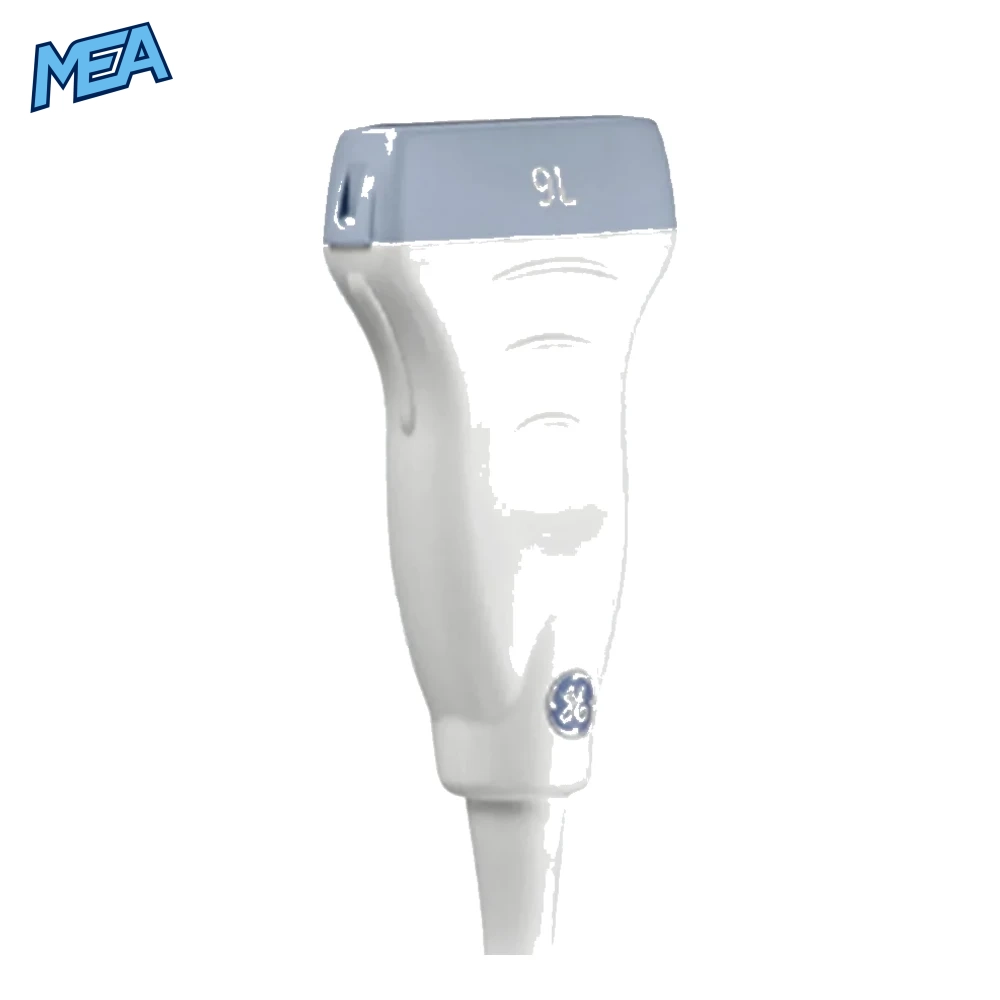


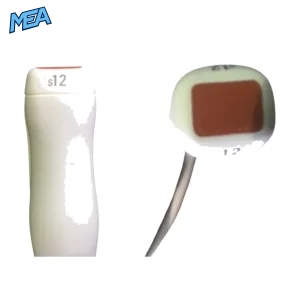
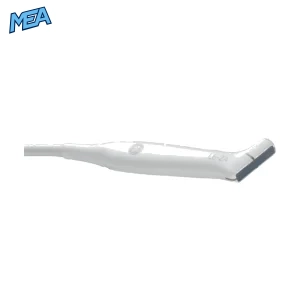
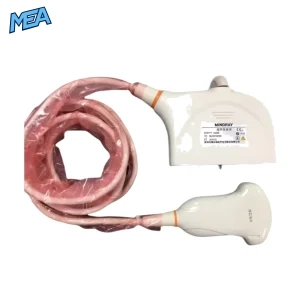
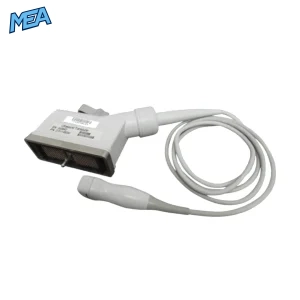
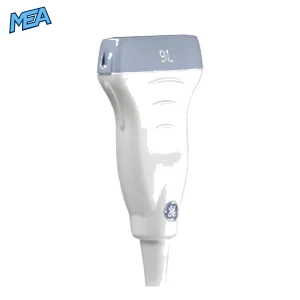
The GE 9L-RS Wideband Linear Probe is a high-frequency linear array transducer engineered for precise, high-resolution imaging across a wide range of clinical applications.
Designed for use with GE ultrasound systems, this probe delivers exceptional image clarity for vascular, musculoskeletal, small parts, and advanced diagnostic procedures, making it a reliable choice for modern medical environments.
Key Features of GE 9L-RS Wideband Linear Probe
Wideband Frequency Performance
- Supports a broad frequency range for both superficial and deeper imaging
- Provides excellent balance between penetration and resolution
- Ideal for multi-purpose clinical environments
High-Resolution Imaging
- Produces sharp, detailed images for accurate diagnostics
- Optimised for small structures, vessels, and soft tissue evaluation
Linear Array Technology
- Ensures uniform image quality across the scanning field
- Perfect for vascular access, nerve blocks, and superficial scans
Ergonomic and Lightweight Design
- Comfortable grip for extended scanning sessions
- Reduces operator fatigue during high-volume usage
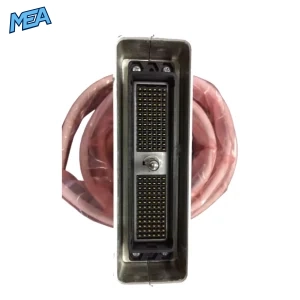
Multi-System Fitment
- Designed for use with various GE ultrasound systems
- Seamless integration into existing diagnostic setups
Clinical Applications of 9L-RS Ultrasound Probe
The GE 9L-RS linear probe is engineered to support a wide spectrum of clinical applications, making it a highly versatile tool in hospitals and diagnostic centres.
1. Vascular Imaging
- Peripheral vascular assessments
- Carotid artery evaluations
- Venous and arterial studies
- Vascular access guidance
2. Musculoskeletal (MSK) Imaging
- Tendon and ligament evaluation
- Joint assessments
- Sports injury diagnostics
- Soft tissue visualisation
3. Small Parts Imaging
- Thyroid gland
- Breast imaging
- Testicular and superficial organ assessments
4. Obstetrics and Gynecology
- Foetal monitoring
- Uterine and ovarian imaging
- Early pregnancy assessments
5. Cardiac Applications
- Adult and pediatric cardiac imaging
- Basic echocardiography support
6. Emergency and Critical Care
- FAST scans
- Thoracic and pleural imaging
- Rapid bedside diagnostics
7. Specialised Procedures
- Nerve block guidance
- Ophthalmic imaging
- Neonatal cephalic studies
- Pediatric imaging
Benefits of Using GE 9L-RS Wideband Linear Probe
Enhanced Diagnostic Accuracy
The high-frequency capability ensures superior image clarity, allowing clinicians to detect even subtle abnormalities.
Versatility Across Departments
One probe supports multiple specialties, reducing the need for multiple transducers.
Improved Workflow Efficiency
Quick imaging results help streamline patient diagnosis and treatment decisions.
Cost-Effective Solution
Multi-application functionality reduces equipment investment costs.
Reliable Performance
Built with GE’s trusted engineering standards, ensuring durability and consistent output.
Technical Specifications of GE 9L-RS Probe
| Specification | Details |
| Product Name | GE 9L-RS Wideband Linear Probe |
| Probe Type | Wideband Linear Array |
| Imaging Mode | 2D |
| Frequency Range | Approx. 3 – 10 MHz |
| Application Areas | Vascular, MSK, OB/GYN, Cardiac, Small Parts |
| Fitment | GE Logiq, Vivid, Voluson Systems |
| Design | Ergonomic, Lightweight |
| Usage | Diagnostic Ultrasound Imaging |
Why Choose GE 9L-RS Linear Ultrasound Transducer
Trusted GE Engineering
GE Healthcare is known for its innovation in medical imaging. The 9L-RS probe reflects this legacy with high-performance imaging and long-term reliability.
Multi-Purpose Clinical Utility
Instead of investing in multiple probes, healthcare providers can rely on this single transducer for diverse imaging needs.
Optimised for Precision Procedures
From vascular access to nerve block guidance, the probe ensures accurate needle visualisation and placement.
Use Cases in Real Clinical Settings
Hospitals
- Multi-department usage (radiology, cardiology, emergency)
- High patient throughput environments
Diagnostic Imaging Centres
- Routine vascular and musculoskeletal scans
- Thyroid and breast imaging services
Clinics and Private Practices
- General ultrasound examinations
- Obstetrics and gynecology monitoring
Emergency Rooms
- Rapid assessment for trauma patients
- Thoracic and abdominal imaging
Performance Advantages in Ultrasound Imaging
Superior Resolution for Superficial Structures
The GE 9L-RS wideband probe excels in imaging superficial tissues, delivering high-detail visualisation required for accurate diagnosis.
Balanced Penetration Depth
Despite being a high-frequency probe, it maintains adequate penetration for deeper anatomical structures.
Consistent Image Quality
Linear array technology ensures uniform brightness and contrast across the scan field.
How the 9L-RS Probe Improves Patient Care
- Faster diagnosis leads to quicker treatment decisions
- Reduced need for repeat scans
- Enhanced confidence for clinicians
- Improved patient experience with efficient procedures
Maintenance and Handling Tips
To ensure long-term performance:
- Clean with approved disinfectants after each use
- Avoid excessive bending of the cable
- Store in a protective holder
- Perform regular system fit checks
Frequently Asked Questions
What is the GE 9L-RS probe used for?
The GE 9L-RS probe is used for high-resolution ultrasound imaging in vascular, musculoskeletal, small parts, and general diagnostic applications.
Is the 9L-RS probe suitable for vascular imaging?
Yes, it is specifically designed for peripheral vascular studies, including arterial and venous imaging.
What ultrasound systems fit the 9L-RS probe?
It fits GE systems such as Logiq, Vivid, and Voluson series.
Can this probe be used for musculoskeletal imaging?
Yes, it provides excellent imaging for tendons, ligaments, joints, and soft tissues.
What is the frequency range of the 9L-RS probe?
The probe operates approximately within a 3 to 10 MHz frequency range.
Is this probe suitable for small parts imaging?
Yes, it is ideal for imaging thyroid, breast, and other superficial structures.
Does the probe support emergency imaging?
Yes, it can be used in emergency settings for thoracic and rapid diagnostic scans.
Is it suitable for pediatric and neonatal use?
Yes, it supports pediatric and neonatal imaging applications effectively.
Reviews
There are no reviews yet.