

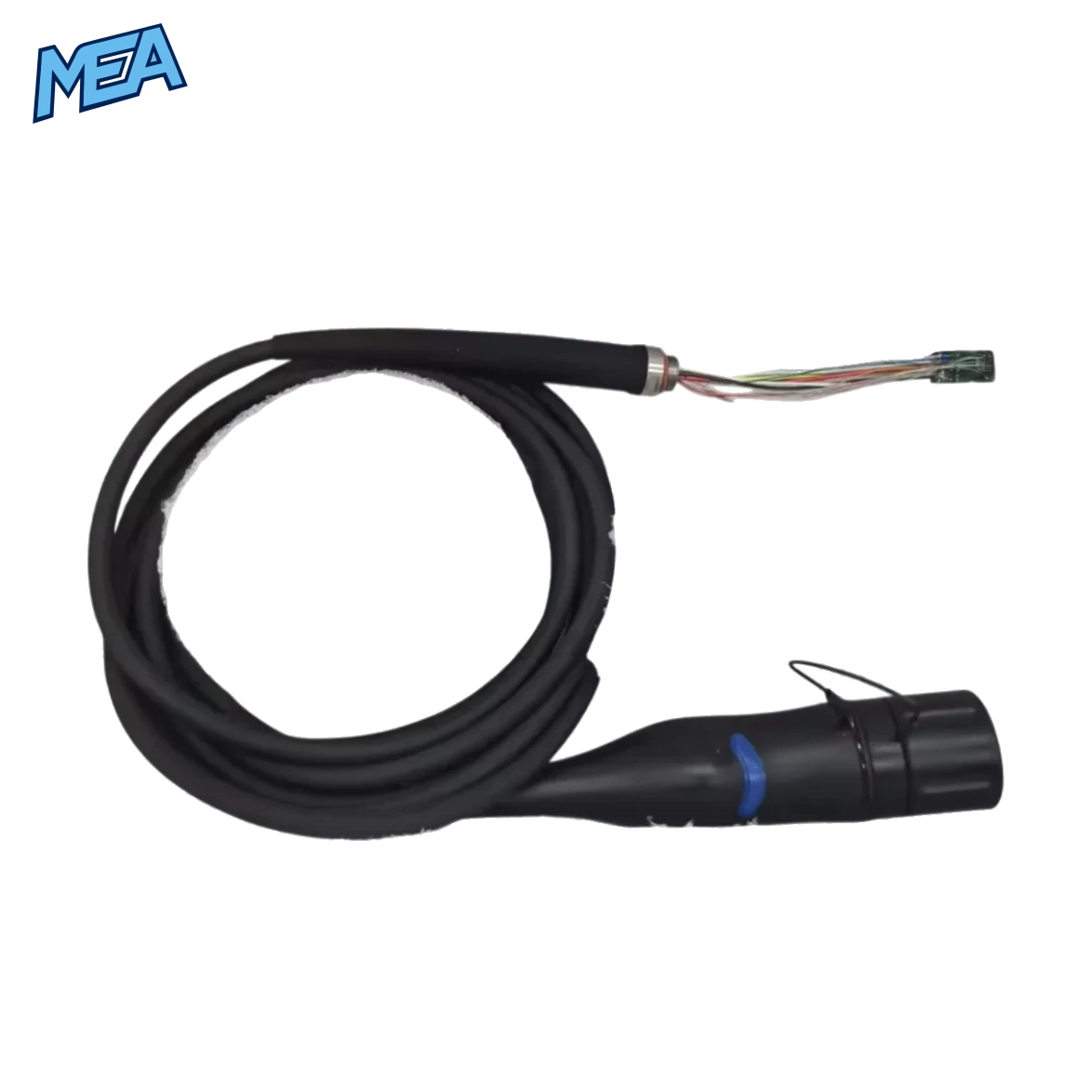
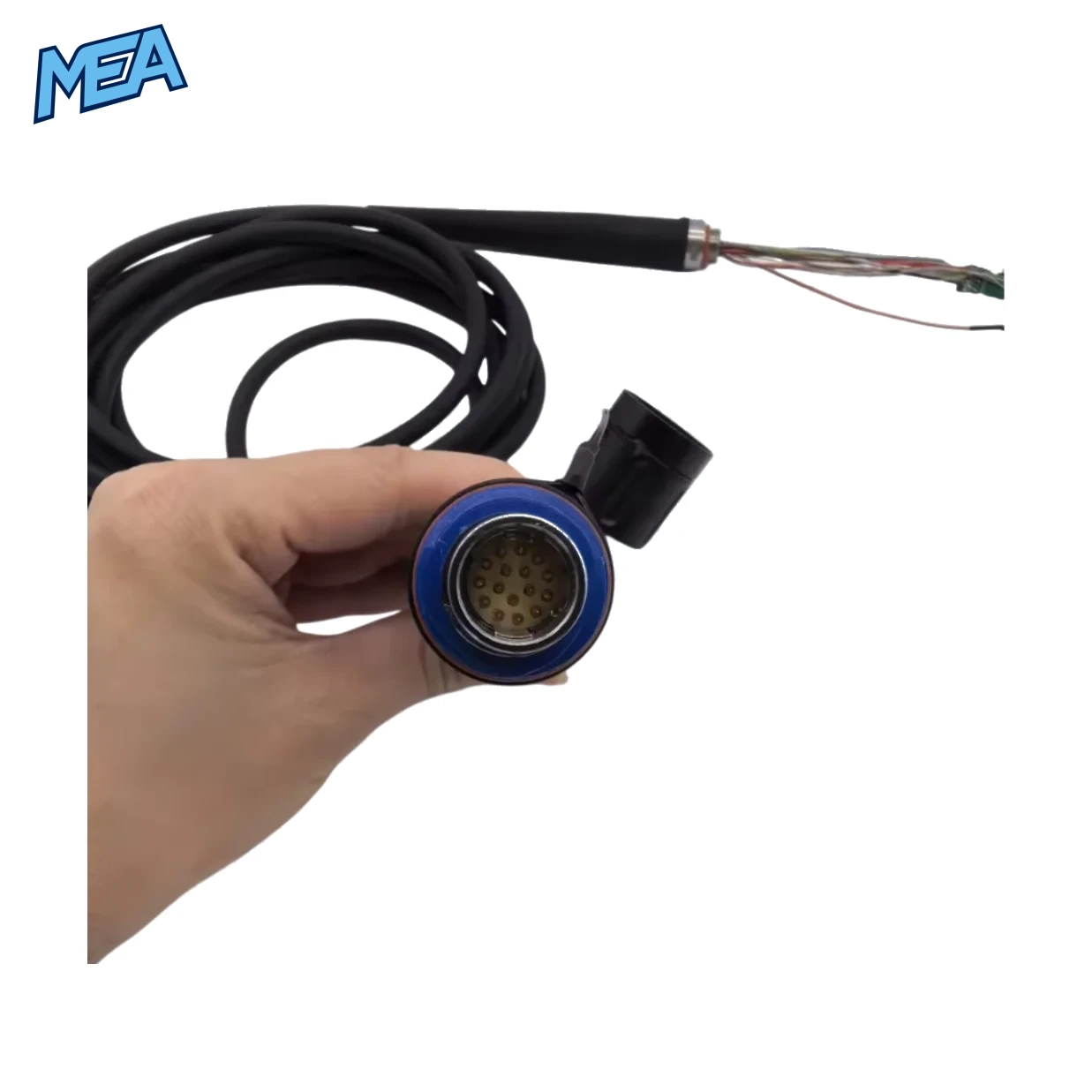


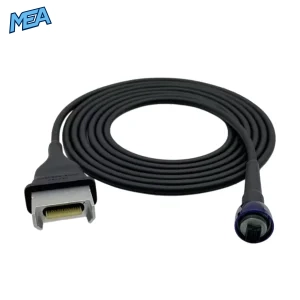
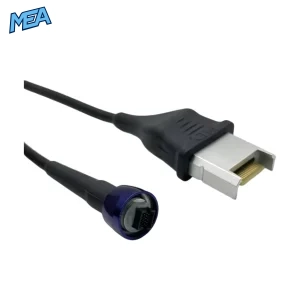
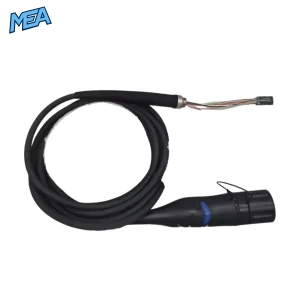
The New Stryker 1288 camera head cable is a high-quality replacement connection cable designed specifically for medical imaging environments where performance, signal stability, and durability are critical. In modern operating rooms and endoscopy suites, imaging clarity and system reliability directly impact surgical precision and workflow efficiency. This cable plays a crucial role in ensuring uninterrupted communication between the Stryker 1288 camera head and the video processing system.
Manufactured using medical-grade materials and precision engineering, this new cable provides dependable connectivity for hospitals, surgical centres, and equipment service providers seeking reliable replacement components. It is built to deliver consistent HD video transmission while withstanding routine sterilisation procedures and repeated handling common in surgical environments.
Whether replacing a worn cable or maintaining backup inventory for operating room readiness, this cable ensures seamless fit and dependable performance.
Designed for Stryker 1288 HD Camera Systems
The Stryker 1288 platform is widely recognised in surgical imaging for delivering high-definition visualisation during minimally invasive procedures. Over time, cables experience wear due to bending, sterilisation exposure, and constant movement during procedures. Replacing worn cables is essential to maintain image quality and prevent system interruption.
This new Stryker 1288 camera head cable is engineered to meet the functional requirements necessary for smooth integration with existing Stryker imaging setups.
Key-type environments include:
- General surgery suites
- Laparoscopic procedure rooms
- Endoscopy units
- Arthroscopy imaging systems
- ENT and urology procedures
- Minimally invasive surgery centres
- Equipment refurbishment facilities
The cable restores system integrity, ensuring surgeons receive clear and stable video output during procedures.
Built for Reliable Medical Performance
Unlike generic cables used in consumer electronics, medical imaging cables must meet strict performance expectations. This cable is constructed with reinforced shielding and medical-grade insulation to ensure accurate signal transmission while minimising interference.
Core performance characteristics include:
- Stable HD video transmission
• Secure and reliable connector fit
• Durable outer jacket resistant to wear
• Flexible design for easy maneuvering
• Strong internal wiring for long operational life
• fit with operating room environments
Each unit undergoes quality testing to ensure consistent performance suitable for clinical use.
Importance of a High-Quality Camera Head Cable
The cable connecting a camera head to its processing unit is often overlooked, yet it directly affects imaging quality and system reliability. A damaged or aging cable may cause:
- Video flickering
- Signal interruption
- Image noise
- Connection instability
- Complete system failure during procedures
Replacing the cable before failure occurs reduces downtime and protects surgical workflow continuity.
Using a new cable ensures:
- Consistent video clarity
- Improved operational reliability
- Reduced risk of procedure delay
- Lower long-term maintenance costs
Key Features of the Stryker 1288 Camera Cable Replacement
Medical-Grade Construction
Designed using materials appropriate for clinical environments where equipment durability is critical.
Secure Connector Interface
Precision connector design ensures proper fit with Stryker camera systems.
Flexible Yet Durable Cable Body
Offers easy handling while maintaining resistance to bending stress.
HD Video Signal Integrity
Maintains clear signal transmission for accurate visualisation.
Suitable for Repeated Cleaning Cycles
Supports environments where frequent cleaning and sterilisation protocols are used.
Plug-and-Play Fitment
Allows quick replacement without requiring system modification.
Applications
This replacement cable is commonly used in:
- Laparoscopic surgeries
- Arthroscopic procedures
- Endoscopic diagnostics
- Minimally invasive surgeries
- ENT surgical procedures
- General surgical imaging systems
- Hospital equipment servicing departments
Its versatility ensures fit across multiple surgical disciplines utilising Stryker camera systems.
Why Replace an Old Camera Cable?
Cables degrade due to:
- Constant bending
- Repeated connection cycles
- Exposure to cleaning chemicals
- Handling during equipment transport
- Storage stress
- OR environmental exposure
Common warning signs include:
- Intermittent video loss
- Loose connections
- Image artifacts
- Connector damage
- Cable cracking or stiffness
Replacing the cable proactively prevents sudden failure during procedures.
Benefits for Hospitals and Surgical Centres
Choosing a brand-new cable offers several operational advantages:
Reduced Equipment Downtime
Reliable cables prevent unexpected system interruptions.
Lower Maintenance Expenses
Replacing a cable is cheaper than repairing a damaged camera head or processor.
Improved Workflow Efficiency
Surgeries proceed without technical delays.
Backup Inventory Assurance
Facilities maintain readiness for urgent replacements.
Extended Equipment Lifespan
Protects associated imaging components from signal-related strain.
Ideal for Equipment Service Providers and Resellers
Biomedical service companies, refurbishment businesses, and medical equipment resellers benefit from stocking replacement cables.
Applications include:
- Equipment refurbishment projects
- Maintenance contracts
- Emergency replacements
- Pre-sale system preparation
- Spare part inventory
Reliable accessories increase resale confidence and customer satisfaction.
Technical Characteristics Overview
Product Type: Camera head connection cable
Fitment: Stryker 1288 camera systems
Condition: brand-new cable
Application: Medical imaging connectivity
Use Environment: Surgical and clinical settings
Connector Type: medical connector interface
Cable Design: Flexible reinforced medical-grade cable
Installation and Replacement Process
Replacing the cable typically involves:
- Powering down the imaging system.
- Disconnecting the existing cable carefully.
- Inspecting connectors for damage.
- Connecting the new cable securely.
- Powering system back on.
- Verifying image output.
No advanced configuration is typically required, making installation quick for biomedical staff.
Packaging and Handling Safety
The cable is typically packaged to prevent damage during transport and storage. Protective packaging reduces risk of connector or cable deformation.
Proper storage recommendations include:
- Avoid tight bending
- Store in dry environment
- Protect connectors from dust
- Avoid excessive weight pressure
Proper care extends service life.
Performance Advantages Compared to Old Cables
A new cable ensures:
- Cleaner signal transmission
- Reduced video interference
- Stronger physical durability
- Stable connectivity
- Better long-term reliability
These improvements enhance surgical imaging reliability.
Who Should Purchase This Cable?
This product is ideal for:
- Hospitals and surgical centres
• Biomedical engineering departments
• Equipment maintenance teams
• Medical equipment resellers
• Refurbishment companies
• Surgical equipment distributors
Facilities maintaining Stryker imaging systems benefit most.
Why This Replacement Cable is a Smart Investment
Investing in quality accessories prevents unexpected operational disruption. Reliable imaging is critical in modern surgery, and maintaining cable quality is part of preventive equipment maintenance.
Replacing cables regularly improves overall system dependability and reduces emergency repair costs.
Maintenance Tips for Long Cable Life
To extend cable service life:
- Avoid pulling by cable body
- Disconnect using connectors only
- Avoid tight coiling
- Store properly after procedures
- Inspect regularly for wear
Routine inspection reduces unexpected failures.
Common Situations Requiring Cable Replacement
Replacement becomes necessary when:
- Connector pins bend or loosen
- Cable sheath cracks
- Signal drops occur
- Video signal becomes unstable
- Cable stiffness increases
Routine inspection helps detect issues early.
Reliable Connectivity for Modern Surgical Imaging
Modern surgery depends heavily on high-quality imaging systems. Camera cables are essential links between imaging hardware components. A reliable cable ensures uninterrupted surgical visualisation.
By installing a new cable, facilities maintain consistent imaging performance, supporting safer surgical procedures.
Frequently Asked Questions
Does the cable support HD video quality?
Yes, the cable supports stable transmission required for HD surgical imaging.
Can hospital staff replace the cable easily?
Yes, replacement typically requires simple disconnection and reconnection without complex configuration.
How long does such a cable usually last?
Service life depends on handling and usage conditions. Proper care significantly increases durability.
What causes camera cables to fail?
Frequent bending, sterilisation exposure, connector stress, and improper storage commonly lead to cable degradation.
Should facilities keep spare cables in stock?
Yes, maintaining spare cables reduces downtime in case of unexpected cable failure.
Can a damaged cable affect video quality?
Yes, damaged cables may cause flickering, image noise, or signal interruption.
Is professional installation required?
Most facilities replace cables internally without requiring external technicians.
How should cables be stored when not in use?
Store loosely coiled in a clean, dry area without heavy pressure or tight bends.
Reviews
There are no reviews yet.