

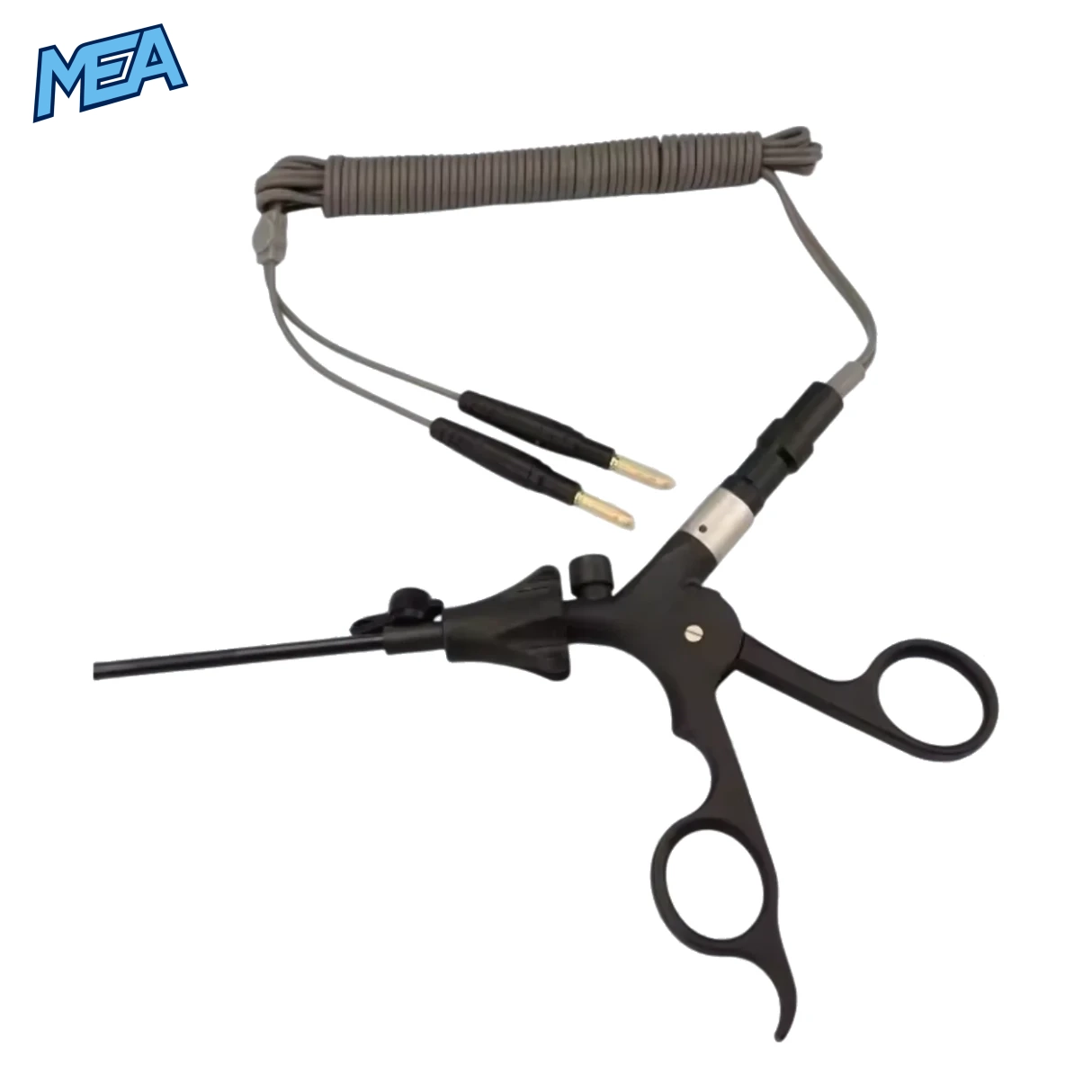



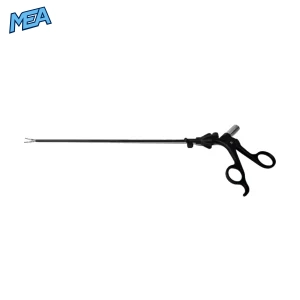
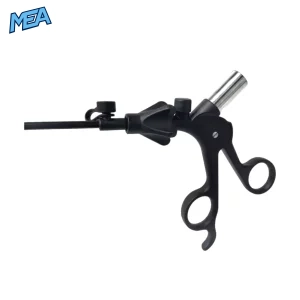
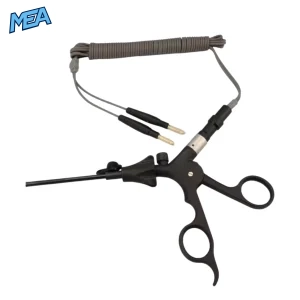
Introducing our high‑performance Laparoscopic Bipolar Forceps with Bipolar Cable for Surgery and Teaching, a premium precision instrument designed for minimally invasive surgery (MIS), advanced surgical applications, and clinical training environments.
Engineered to deliver outstanding control, secure tissue grasping, and effective bipolar coagulation with minimal thermal spread, this instrument is an essential tool for surgeons, hospitals, surgical centres, and medical training programs.
Crafted with superior materials and meticulous manufacturing processes, this bipolar laparoscopic instrument sets new standards in quality, durability, and surgical safety. Whether used in laparoscopic procedures, electrosurgical intervention, or hands‑on surgical education, it delivers consistent performance and reliability.
Key Features of the Laparoscopic Bipolar Forceps with Bipolar Cable
Precision Construction 5×330 mm Design
The 5×330 mm size of this laparoscopic bipolar forceps provides an optimal balance of reach and maneuverability for laparoscopic surgery. The slender profile allows surgeons to access deep anatomical sites with ease while maintaining precise control over tissue handling.
This dimension is widely accepted in minimally invasive surgical instrument sets and enables fit with standard 5 mm trocar cannulas. The ergonomic length also supports efficient instrument reach across a range of surgical procedures.
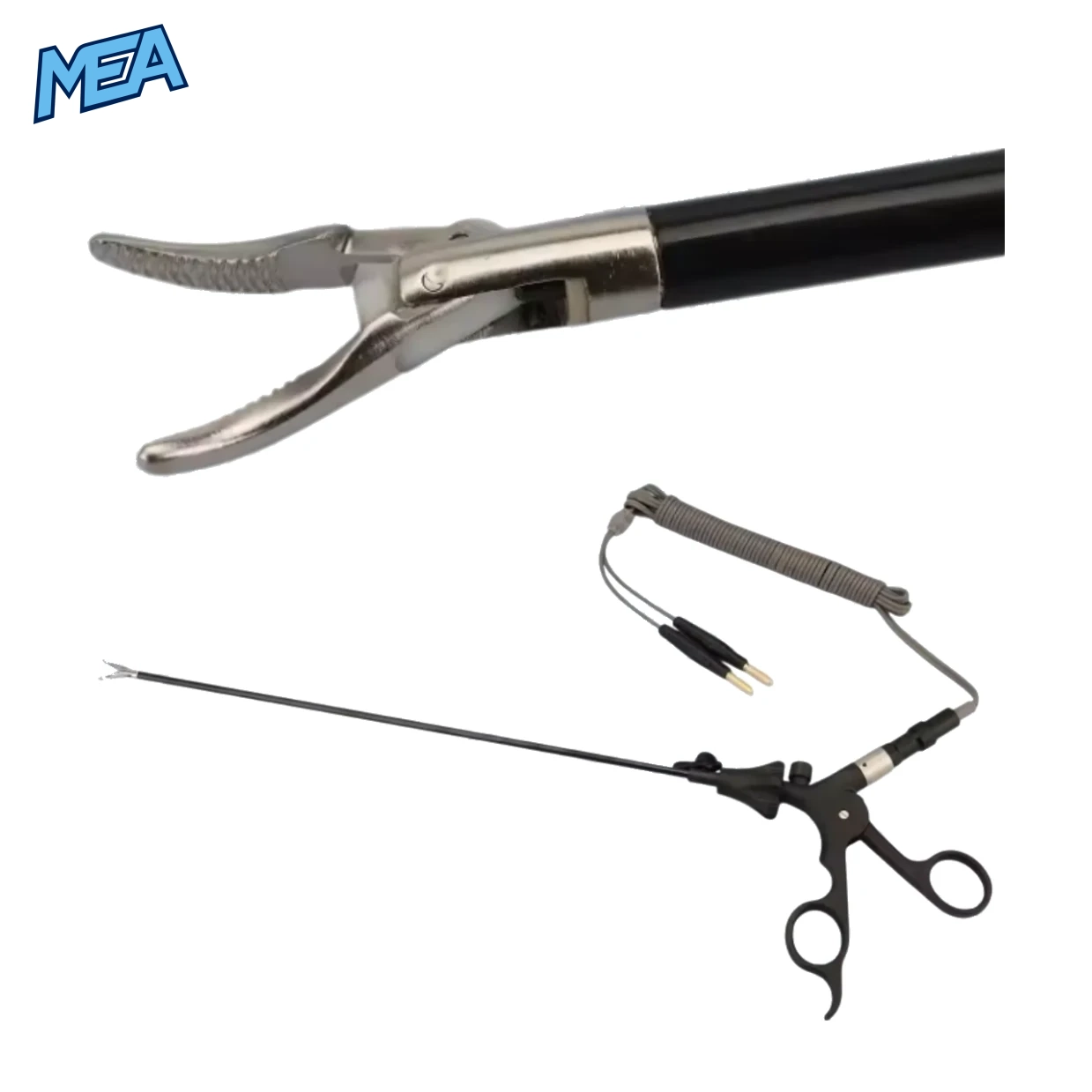
Dual Jaw Options Maryland & Bipolar Grasper
Maryland Forceps (Double Action):
The integrally milled Maryland style jaws allow precise dissection and blunt tissue separation. The double‑action design maximises grasping strength and improves tactile feedback.
Bipolar Grasper (Double Action):
Designed for secure tissue grasp and bipolar energy delivery, the bipolar grasper jaws provide controlled coagulation with minimal lateral heat spread. The double‑action jaw mechanism increases precision and reduces the need for repeated instrument positioning.
Offering both jaw configurations supports broad surgical applicability and versatility for surgeons performing fine detail work or complex tissue resections.
Bipolar Electrosurgical Performance
This instrument functions as a bipolar electrosurgical tool, allowing simultaneous coagulation and grasping using bipolar current. The integrated bipolar cable interface ensures a stable connection to electrosurgical generators, delivering consistent energy transmission for reliable tissue coagulation and reduced bleeding.
The bipolar mode limits current flow to the tissue captured between the forceps’ jaws, minimising the risk of unintended thermal injury.
CNC‑Machined Jaw Precision
The jaw components of this laparoscopic instrument are manufactured with advanced CNC machining, ensuring:
- High‑precision gripping surfaces
- Uniform jaw alignment
- Smooth opening and closing action
- Long‑lasting mechanical stability
CNC processing enhances the surgical instrument’s reliability and reduces wear during repeated use and sterilisation cycles.
Medical‑Grade Handle Material
The ergonomic handle is made from medical‑grade material that offers:
- Excellent surgeon control
- Fatigue‑reducing grip
- Chemical and sterilisation resistance
- Durability for repeated clinical use
Surgeons can operate with confidence during lengthy procedures, backed by a handle designed for both comfort and precision performance.
Application and Performance in Surgery & Education
Ideal for Minimally Invasive Surgery
This laparoscopic bipolar forceps with bipolar cable excels in a broad range of laparoscopic procedures, including but not limited to:
- General surgery
- Gynecologic surgery
- Urologic laparoscopy
- Bariatric surgery
- Pediatric laparoscopic interventions
- Advanced electrosurgical procedures
By combining tissue grasping with bipolar energy delivery, this instrument streamlines procedure steps and minimises instrument exchanges.
Enhanced Electrosurgical Control
In bipolar mode, the tissue grasped between the forceps’ jaws becomes the path of least electrical resistance. This targeted current flow enables effective coagulation and hemostasis without the need for dispersive electrodes on the patient’s body.
Surgeons benefit from:
- Reduced thermal spread
- Enhanced safety in delicate anatomy
- Efficient energy usage
- Reduced need for traditional monopolar instruments
Valuable Teaching Instrument
In surgical training environments, this instrument serves as both a teaching and demonstration tool. Surgical educators can use it to train residents and students in:
- Laparoscopic tissue handling
- Electrosurgical principles
- Bipolar device operation
- Controlled coagulation techniques
- MIS instrument ergonomics
Its robust build and dependable performance make it ideal for hands-on OR labs, simulation centres, and educational workshops.
Product Specifications
| Specification | Details |
| Instrument Type | Laparoscopic Bipolar Forceps with Bipolar Cable |
| Target Use | Minimally Invasive Surgery, Electrosurgical Coagulation, Teaching |
| Size | 5 mm × 330 mm |
| Jaw Options | Maryland Forceps (Double Action), Bipolar Grasper (Double Action) |
| Jaw Manufacturing | CNC Precision Machining |
| Handle Material | Medical‑Grade, Sterilisation‑Resistant |
| Electrosurgical Interface | Bipolar Cable Fits |
| Durability | Reusable/Autoclavable |
| Energy Delivery | Bipolar Electrosurgical Current |
Why Choose These Laparoscopic Bipolar Forceps?
Superior Surgical Control
Every aspect of this instrument’s design delivers improved surgical handling and confident electrosurgical performance. Its double‑action jaw mechanics and bipolar energy support precise manipulation without compromising patient safety.
Consistent Electrosurgical Coagulation
The integrated bipolar cable ensures stable, efficient energy transfer for coagulation and hemostasis. This minimises intraoperative bleeding and supports smoother surgical flow.
Longevity and Sterilisation Fitment
Medical‑grade materials and CNC‑machined surfaces withstand frequent sterilisation cycles without degradation. Reusability reduces procurement costs and supports long‑term clinical efficiency.
Versatile Clinical Application
Whether part of a comprehensive MIS instrument set or a standalone electrosurgical tool, this laparoscopic bipolar forceps is adaptable to a wide range of surgical specialties.
Fitment and Integration
This instrument easily integrates into most electrosurgical suites and laparoscopic instrument trays:
Fits standard laparoscopic ports and trocars
Interfaces with common bipolar electrosurgery generators
Works with standard sterilisation practices (autoclave, EtO, etc.)
Surgeons can implement this instrument into existing workflows without costly adjustments or replacements.
Reusability and Cost Efficiency
Unlike disposable electrosurgical tools, this instrument is designed for repeated clinical use. Its robust construction and autoclavable materials ensure consistent performance over many cycles.
This reusable model supports sustainability and reduces recurring costs in high‑volume surgical centres.
Clinical Benefits Safety, Precision & Efficiency
By choosing a laparoscopic bipolar instrument with a secure bipolar cable connection and precision jaws, clinicians gain:
- Reduced thermal injury risk
- Improved hemorrhage control
- Enhanced ergonomics and tactile feedback
- Decreased instrument exchange time
- Better teaching outcomes in surgical education
These advantages contribute to improved patient outcomes and OR efficiency.
Applications Across Surgical Specialties
This bipolar laparoscopic forceps isn’t limited to a single specialty. It performs reliably across:
General Surgery
Used for dissection and hemostasis during cholecystectomy, appendectomy, hernia repair, and more.
Gynecologic Laparoscopy
Ideal for tubal ligation, endometriosis resection, hysterectomy assistance, and ovarian procedures.
Urology
Supports prostate and bladder surgeries requiring precise coagulation and tissue manipulation.
Bariatric
Aids in stapling support, tissue handling, and targeted coagulation for gastric bypass or sleeve gastrectomy.
Pediatric Laparoscopy
Scaled design and precise control make it suitable for delicate anatomy.
Handling, Maintenance & Care
To preserve performance and longevity:
- Inspect instrument before sterilisation
- Follow standard autoclave cycles for laparoscopic instruments
- Clean jaws and cable connector after each use
- Store in instrument trays with protective padding
Proper care ensures consistent performance and safe usage throughout its service life.
Frequently Asked Questions
What are laparoscopic bipolar forceps?
A laparoscopic bipolar forceps is a minimally invasive surgical instrument that delivers bipolar electrosurgical energy while grasping tissue. It combines precise tissue manipulation with controlled coagulation, reducing bleeding and improving surgical efficiency.
How does bipolar electrosurgery work with this instrument?
Bipolar electrosurgery passes electrical current between two electrodes located at the forceps’ jaws. When tissue is grasped, the current travels only through that tissue, coagulating it without dispersing heat to surrounding areas.
Why choose a 5×330 mm instrument size?
The 5 mm diameter allows passage through standard laparoscopic ports, and the 330 mm length offers optimal reach and control during deep abdominal or pelvic surgeries.
Can this instrument be reused after sterilisation?
Yes. Constructed with medical‑grade materials and designed with sterilisation fit, these forceps can be reused following recommended sterilisation procedures.
What surgical specialties benefit most from this instrument?
This bipolar laparoscopic tool is valuable in general surgery, gynecology, urology, bariatrics, pediatric laparoscopy, and surgical training environments.
Does the instrument fit all electrosurgery generators?
Yes, it connects via a bipolar cable fits most standard electrosurgery units used in modern surgical suites.
What advantages do Maryland jaws provide?
Maryland jaws offer finesse for dissection and fine tissue separation, making them ideal for delicate surgical steps.
How do I clean and maintain this instrument?
After use, wipe, flush, and manually clean jaws and cable connector, then proceed with standard autoclave sterilisation according to the hospital’s instrument reprocessing protocols.
Does the bipolar grasper provide better coagulation?
Yes. The bipolar grasper’s jaw design maximises tissue contact and precise current delivery, improving coagulation and reducing thermal spread.
Is this instrument suitable for surgical teaching?
Absolutely. Its reliable performance and ergonomic design make it an excellent teaching instrument in laparoscopic skill labs and surgical education programs.




Reviews
There are no reviews yet.